Rajasthan is usually imagined as a land of golden deserts, grand forts, colourful bazaars and sun-drenched palaces. But arrive during the monsoon and you may discover an entirely different state.
From July to September, rain transforms parts of Rajasthan. The Aravalli hills become greener, lakes fill, seasonal waterfalls appear, peacocks become more active, and historic forts look even more dramatic against dark monsoon clouds. The weather can also be more comfortable than the intense summer months.
If you’re searching for the best places to visit in Rajasthan in monsoon, don’t limit your trip to the traditional Jaipur–Jodhpur–Jaisalmer circuit. Some of Rajasthan’s most rewarding rainy-season experiences are found around Udaipur, Kumbhalgarh, Mount Abu, Bundi, Banswara and the Hadoti region.
Rajasthan Tourism identifies July to September as the monsoon period. However, rainfall varies considerably across the state, with southeastern Rajasthan generally receiving more rain than the arid western region.
That geographical difference is important when planning a Rajasthan monsoon trip.
This guide explores 13 destinations worth considering, what makes each special during the rainy season, what to see, how long to stay, who each destination suits best, and how to build a practical monsoon itinerary.
Why Visit Rajasthan During Monsoon?
The rainy season isn’t traditionally considered Rajasthan’s peak travel period—and that’s precisely what makes it interesting.
The landscape changes dramatically after rainfall. Dry hills can turn green, reservoirs and lakes become more attractive, and the combination of historic architecture and dramatic skies creates excellent conditions for photography.
Here are some of the biggest reasons to consider Rajasthan in monsoon:
1. The Aravalli landscape turns green
The hills surrounding Udaipur, Kumbhalgarh and Mount Abu can look completely different after several rounds of rain.
2. Lakes become more scenic
Udaipur’s lakes are the perfect example. Clouds, surrounding hills and historic buildings reflected in the water create an atmosphere that is difficult to reproduce during the dry season.
3. Seasonal waterfalls appear
Parts of southeastern Rajasthan have seasonal streams and waterfalls that become considerably more impressive after rainfall.
4. The heat becomes easier to handle
The monsoon period generally offers relief from the extreme heat of late spring and early summer, although humid and hot days can still occur.
5. Photography becomes more dramatic
Clouds, mist, reflections and softer light can give Rajasthan’s architecture and landscapes a completely different appearance.
6. Some destinations feel quieter
July through September is outside Rajasthan’s traditional peak winter tourism period, so travellers may find a more relaxed atmosphere at several destinations.
The key is choosing the right region rather than assuming the whole state becomes equally green.
1. Udaipur — The Best All-Round Monsoon Escape
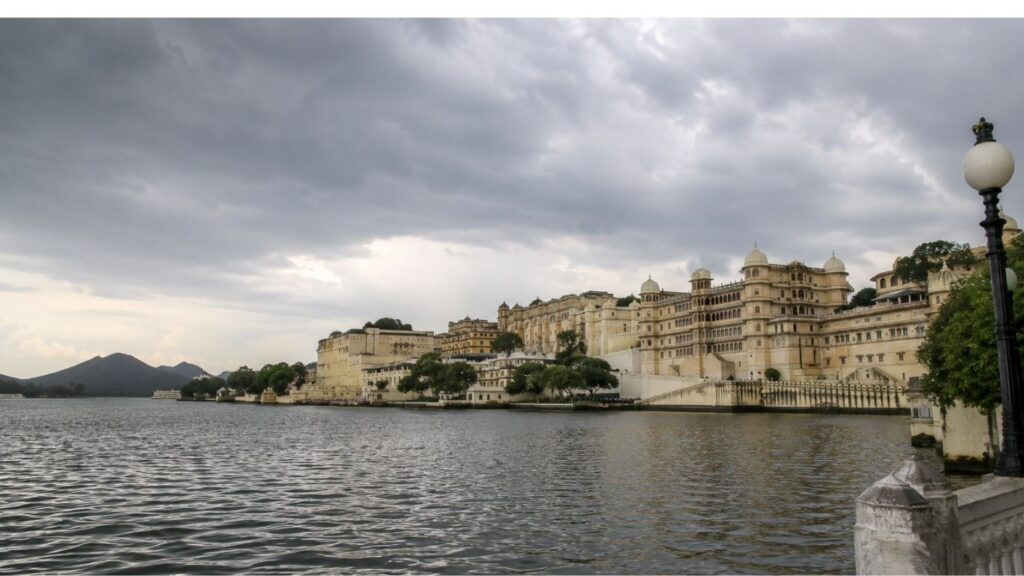
Udaipur is one of the best places to visit in Rajasthan in monsoon, thanks to its beautiful lakes, royal palaces, green Aravalli hills and charming old-city streets. During the rainy season, the city’s surroundings become greener and the lakes look especially scenic under dramatic cloudy skies.
For travellers planning a Rajasthan monsoon trip, Udaipur offers plenty of places to visit in Udaipur within a compact 2–3 day itinerary.
Monsoon Palace — A Must-Visit
Sajjangarh, popularly known as the Monsoon Palace, sits on a hill overlooking Udaipur. Its elevated location offers panoramic views of the city, lakes and Aravalli hills. Cloudy weather can make the scenery particularly dramatic, although visibility depends on local conditions.
Top Places to Visit in Udaipur
• City Palace — Explore magnificent royal architecture and Lake Pichola views.
• Lake Pichola — Enjoy the waterfront or take a boat ride when conditions permit.
• Fateh Sagar Lake — Experience beautiful monsoon greenery and lake views.
• Bagore Ki Haveli — Discover Udaipur’s heritage and culture.
• Jagdish Temple — Visit this historic Old City landmark.
• Saheliyon Ki Bari — Enjoy the gardens refreshed by seasonal rain.
• Old City — Explore traditional streets, markets and local Mewari food.
Photography Tip
After rainfall, look for reflections on lakes and wet streets, fresh greenery and dramatic clouds. These natural elements make Udaipur in monsoon particularly attractive for photography.
Best for: Couples, families, photographers and history lovers.
Recommended stay: 2–3 nights.
2. Kumbhalgarh — A Historic Fort Above Green Aravallis
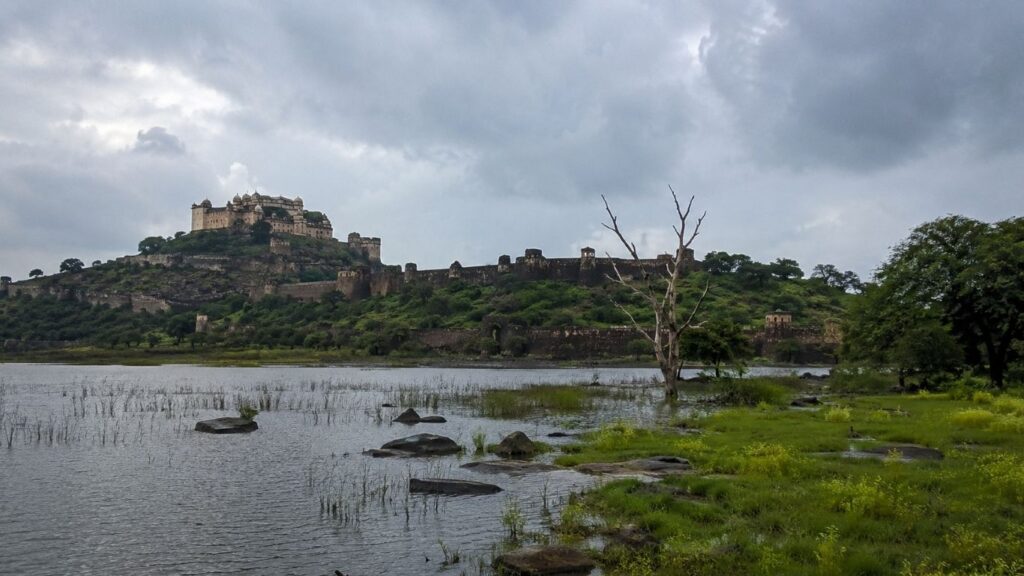
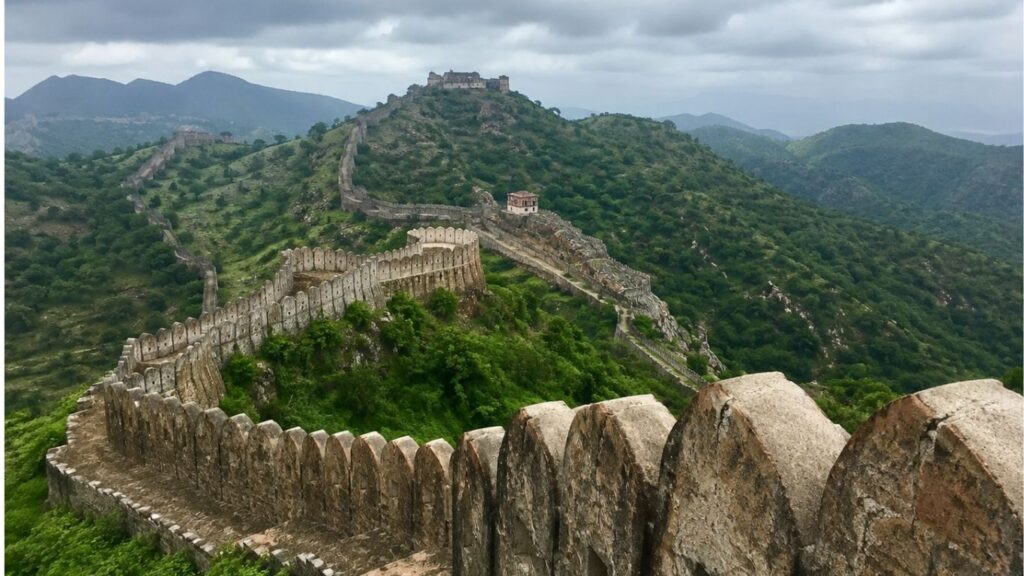
Kumbhalgarh is one of the best places to visit in Rajasthan in monsoon for travellers who want to combine history, nature and spectacular hill landscapes. During the rainy season, the Aravalli hills surrounding Kumbhalgarh become greener, creating a beautiful contrast with the massive stone walls of Kumbhalgarh Fort.
The fort is part of the UNESCO World Heritage-listed Hill Forts of Rajasthan and is one of the region’s most impressive heritage attractions.
Top Places to Visit in Kumbhalgarh
Don’t limit your trip to the main fort. Some of the best places to visit in Kumbhalgarh and nearby include:
• Kumbhalgarh Fort — Explore its massive walls, gates, temples and panoramic hilltop views.
• Badal Mahal — Visit the highest section of the fort for views across the Aravallis.
• Neelkanth Mahadev Temple — See the historic temple located within the fort complex.
• Aravalli Viewpoints — Enjoy scenic views of the greener landscape during monsoon.
• Kumbhalgarh Wildlife Sanctuary — Explore the surrounding forested landscape when conditions permit.
• Ranakpur — Combine your Kumbhalgarh trip with a visit to its famous Jain temples.
Why Visit Kumbhalgarh in Monsoon?
Rain adds a different character to Kumbhalgarh. The hills become greener, the air can feel fresher and cloudy skies create dramatic conditions for photography. It is an excellent choice for travellers looking beyond Rajasthan’s traditional desert destinations.
Best for: History lovers, photographers, nature enthusiasts, hikers and road trippers.
Recommended stay: 1–2 nights.
3. Mount Abu — Rajasthan’s Cool and Misty Hill Station
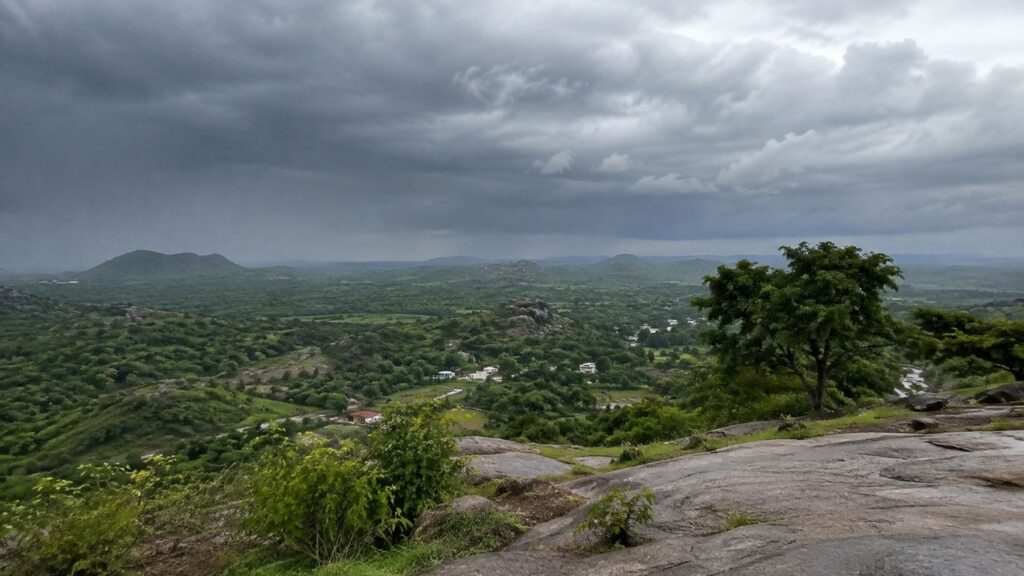
Mount Abu is Rajasthan’s only hill station and one of the best places to visit in Rajasthan in monsoon. Its forested hills, cooler climate, misty landscapes and seasonal streams make it an excellent escape from the heat of the plains.
During the rainy season, clouds and mist often add a dramatic atmosphere to the hills, while fresh greenery makes the landscape especially attractive for nature lovers and photographers.
Top Places to Visit in Mount Abu
If you’re planning a monsoon getaway, these places to visit in Mount Abu are worth adding to your itinerary:
• Nakki Lake — Enjoy peaceful lake views and a walk around the waterfront when the weather permits.
• Guru Shikhar — At around 1,722 metres, it is the highest point in Rajasthan and offers impressive views on clear days.
• Toad Rock — A distinctive rock formation overlooking Nakki Lake and a popular photography spot.
• Dilwara Jain Temples — Admire remarkable marble architecture and have an excellent indoor sightseeing option during rainy weather.
• Achalgarh — Explore the historic fort, temples and surrounding hill scenery.
Why Visit Mount Abu During Monsoon?
Monsoon transforms Mount Abu into a refreshing green retreat. The combination of misty hills, cool weather and seasonal greenery makes it particularly appealing for a Rajasthan monsoon trip.
Best for: Families, couples, nature lovers, photographers and weekend travellers.
Recommended stay: 2 nights.
4. Bundi — A Blue City Made for Slow Travel
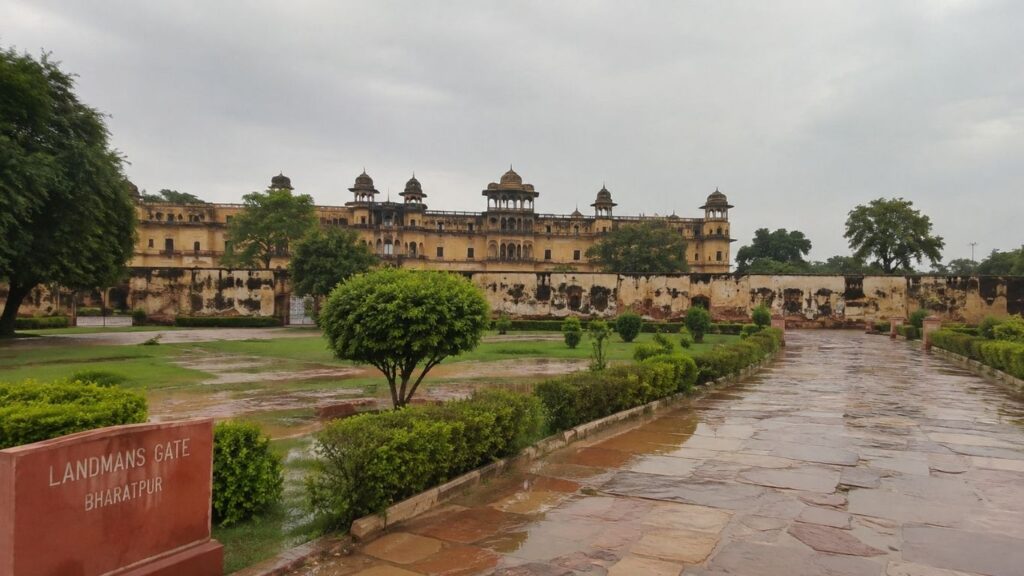
Bundi is one of the best places to visit in Rajasthan in monsoon, especially for travellers who enjoy heritage, photography and peaceful exploration. Surrounded by hills, the town is known for blue-painted houses, historic palaces, stepwells and narrow old-city lanes.
During the rainy season, Bundi’s surrounding landscape becomes greener, while its historic water structures make the monsoon atmosphere even more interesting.
Top Places to Visit in Bundi
If you’re planning a Rajasthan monsoon trip, add these places to visit in Bundi to your itinerary:
• Bundi Palace — Admire beautiful murals and traditional Rajput architecture.
• Taragarh Fort — Explore the hilltop fort and enjoy panoramic views of Bundi.
• Raniji Ki Baori — Discover one of the town’s most impressive historic stepwells.
• Nawal Sagar Lake — Enjoy scenic views of the lake and surrounding heritage buildings.
• Old City — Walk through narrow lanes, blue-painted houses, local markets and cafés.
Why Visit Bundi During Monsoon?
Rain brings fresh greenery and a cooler, more atmospheric feel to Bundi. Unlike Rajasthan’s larger tourist cities, Bundi is ideal for slow travel—you can explore monuments in the morning, relax at a café in the afternoon and wander through the old town in the evening.
Best for: Photographers, backpackers, heritage lovers and slow travellers.
Recommended stay: 1–2 nights.
5. Banswara — Discover Rajasthan’s Green South
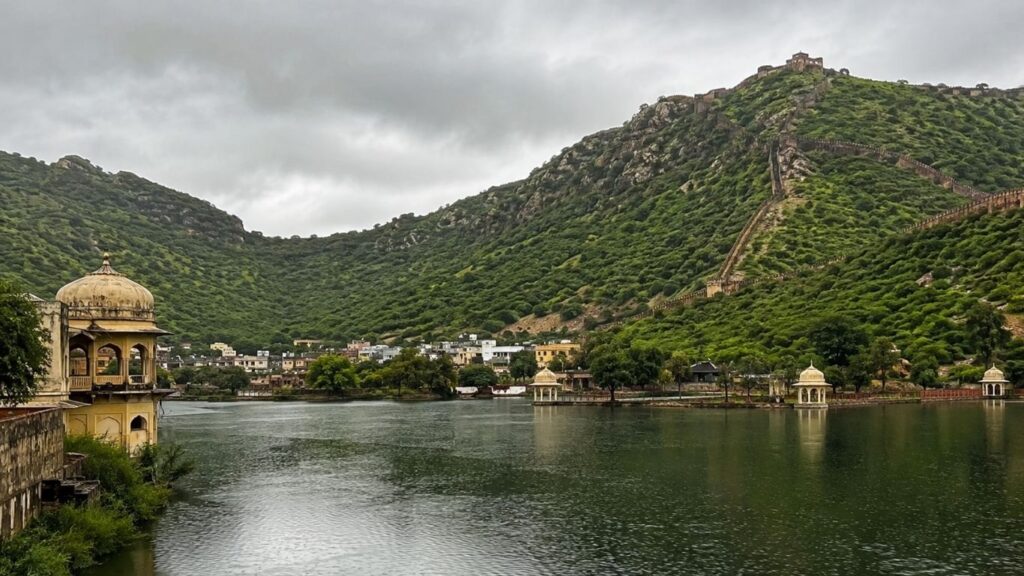
Banswara is one of the best places to visit in Rajasthan in monsoon for travellers looking beyond the state’s famous forts and desert landscapes. Located in southern Rajasthan, Banswara is known for its lakes, rivers, forests, green hills and scenic countryside.
Often called the “City of Hundred Islands,” Banswara becomes particularly attractive during the rainy season, when fresh greenery and water-filled landscapes create a completely different side of Rajasthan.
Top Places to Visit in Banswara
If you’re planning a Rajasthan monsoon trip, consider adding these places to visit in Banswara:
• Kagdi Pick-up Weir — A peaceful spot surrounded by greenery and water.
• Anand Sagar Lake — Enjoy scenic lake views and a relaxing atmosphere.
• Mahi River Region — Explore the beautiful landscapes around the river.
• Tripura Sundari Temple — Visit this important historic and religious attraction.
• Local Villages & Countryside — Experience Banswara’s rural landscapes and local culture.
Why Visit Banswara During Monsoon?
Monsoon is an excellent time to discover Banswara’s greener side. Its lakes, forests and hills become more vibrant, making the region particularly appealing for photography and nature-based travel.
Best for: Nature lovers, photographers, road trippers and offbeat travellers.
Recommended stay: 1–2 nights.
6. Chittorgarh — The Legendary Fort of Mewar
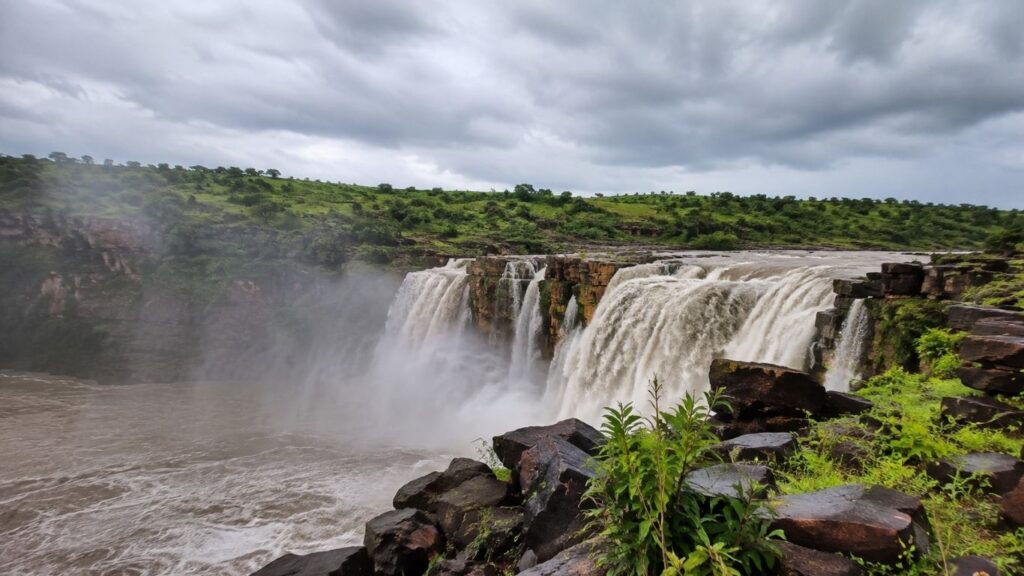
Chittorgarh is one of the best places to visit in Rajasthan in monsoon for travellers interested in history, architecture and photography. The city’s magnificent Chittorgarh Fort spreads across a massive hilltop and contains palaces, temples, towers, reservoirs and historic monuments associated with the Mewar kingdom.
During the rainy season, greenery around the fort creates a striking contrast with its ancient stone architecture, making the landscape especially photogenic.
Top Places to Visit in Chittorgarh
If you’re planning a Rajasthan monsoon trip, include these places to visit in Chittorgarh:
• Chittorgarh Fort — Explore the vast UNESCO-listed fort complex and its historic monuments.
• Vijay Stambh — Admire the impressive Victory Tower and its detailed architecture.
• Kirti Stambh — See the historic tower dedicated to Jain traditions.
• Rana Kumbha Palace — Explore the atmospheric remains of the historic palace complex.
• Meera Temple — Visit this important temple associated with the poet-saint Meera Bai.
• Gaumukh Reservoir — Enjoy the scenic setting around this historic water source.
• Padmini Palace — Explore another important landmark within the fort complex.
Why Visit Chittorgarh During Monsoon?
Rain can refresh the vegetation around the fort and make the surrounding landscape greener and more dramatic. Since the fort is extensive, wear comfortable footwear and allow several hours for sightseeing.
Best for: History lovers, architecture enthusiasts and photographers.
Recommended stay: 1 night.
7. Kota — Discover the Chambal Region
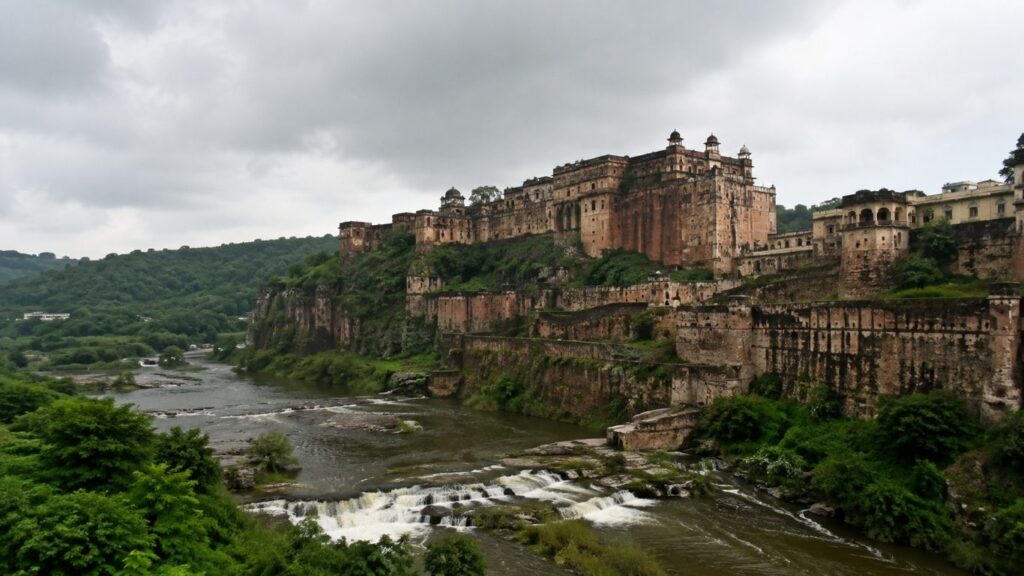
Kota is one of the best places to visit in Rajasthan in monsoon for travellers looking beyond the state’s traditional forts and desert cities. Located along the Chambal River, the city combines river landscapes, lakes, gardens and historic attractions that can look particularly fresh during the rainy season.
For travellers planning a Rajasthan monsoon trip, Kota also makes a convenient base for exploring the wider Hadoti region.
Top Places to Visit in Kota
If you’re searching for the best places to visit in Kota, consider adding these attractions to your itinerary:
• Garadia Mahadev — Enjoy spectacular views of the Chambal River and surrounding gorge.
• Kota Garh — Explore the city’s historic palace and royal heritage.
• Kishore Sagar Lake — Relax beside the scenic lake and enjoy the surrounding architecture.
• Chambal River — Experience one of Kota’s defining natural landscapes.
• Seven Wonders Park — A family-friendly attraction featuring replicas of famous monuments.
• Gaipernath — Explore the scenic waterfall and natural surroundings, subject to rainfall and local conditions.
• Kota Barrage — A popular riverside spot, particularly interesting during the monsoon.
Why Visit Kota During Monsoon?
The rainy season brings fresh greenery to the surrounding landscape and can make the Chambal region especially scenic. Kota is also a practical starting point for exploring Bundi, Jhalawar and other Rajasthan monsoon destinations.
Best for: Families, photographers, weekend travellers and road trippers.
Recommended stay: 1–2 nights.
8. Jhalawar — A Hidden Corner of Southeastern Rajasthan
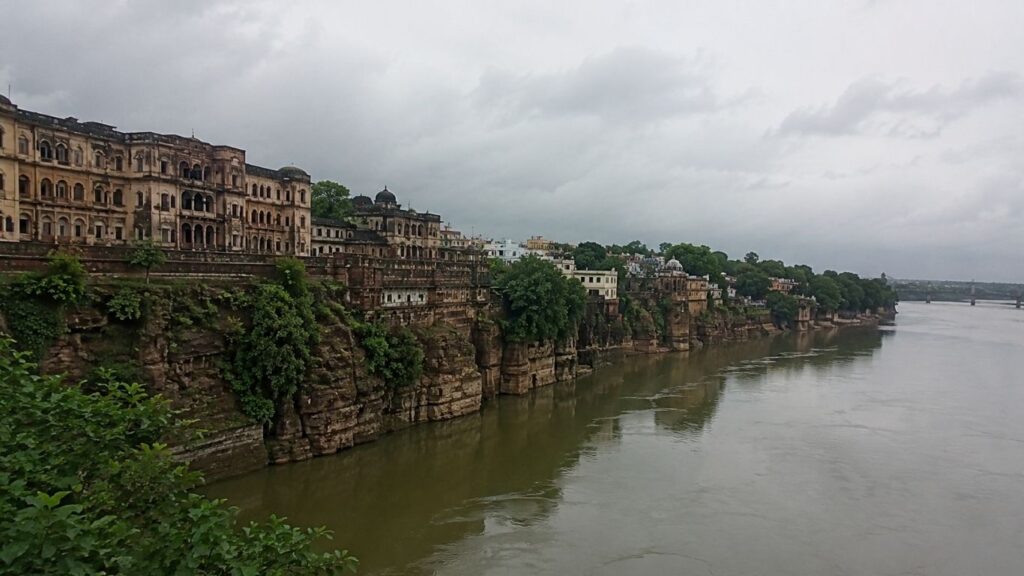
Jhalawar is one of the best places to visit in Rajasthan in monsoon for travellers looking beyond the state’s popular tourist cities. Located in southeastern Rajasthan, the region is known for greener landscapes, historic forts, temples, archaeological sites and water bodies.
For travellers searching for offbeat places in Rajasthan during monsoon, Jhalawar offers a quieter experience with plenty of opportunities for history, nature and photography.
Top Places to Visit in Jhalawar
If you’re planning a Rajasthan monsoon trip, consider these places to visit in Jhalawar:
• Gagron Fort — A remarkable water fort surrounded by rivers and hills, creating a particularly scenic setting during monsoon.
• Kolvi Caves — Explore the ancient rock-cut Buddhist caves and their fascinating archaeological surroundings.
• Jhalawar Fort — Discover the city’s royal heritage and historic architecture.
• Chandrabhaga Temples — Visit the historic temples and admire their detailed stone carvings.
• Bhawani Natyashala — Explore this unique historic theatre and an unusual part of Jhalawar’s cultural heritage.
Why Visit Jhalawar During Monsoon?
Rain can transform southeastern Rajasthan, bringing fresh greenery and enhancing the region’s rivers, hills and historic landscapes. Jhalawar is particularly rewarding for travellers who prefer less-crowded destinations and want to experience a different side of Rajasthan in monsoon.
Best for: History lovers, photographers, heritage enthusiasts and offbeat travellers.
Recommended stay: 1–2 nights.
9. Rawatbhata — A Monsoon Destination for Waterfalls
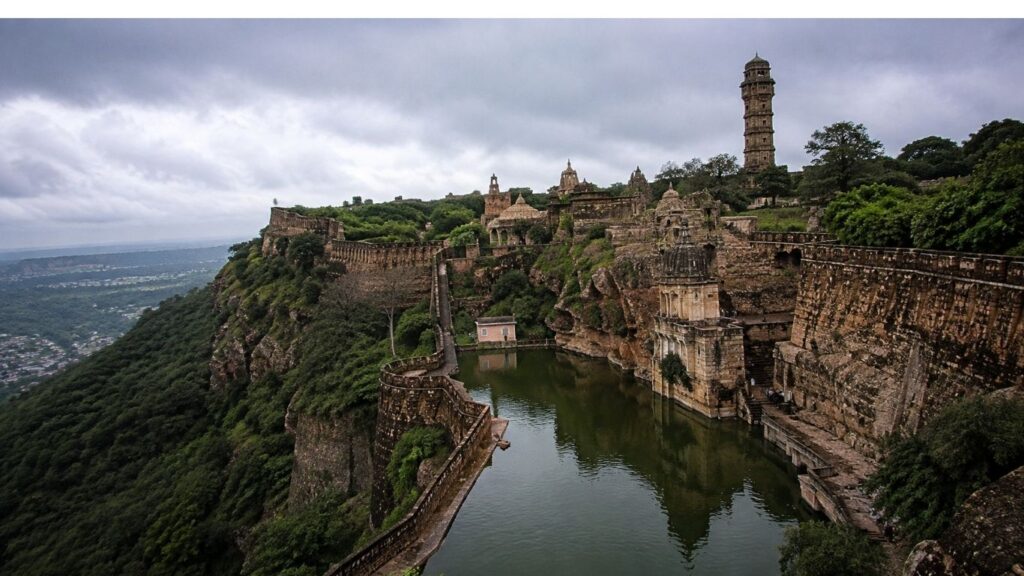
Rawatbhata is one of the best places to visit in Rajasthan in monsoon for travellers who enjoy nature, photography and outdoor adventures. Located in the Chambal region, the area is surrounded by forests, reservoirs, temples and seasonal waterfalls that can become especially impressive after good rainfall.
For travellers searching for places to visit in Rawatbhata, attractions such as Chuliya Falls and Padajhar Falls can be worth considering, but their flow and accessibility depend heavily on recent rainfall and local conditions.
Things to See in Rawatbhata
• Chuliya Falls — A seasonal waterfall that can become spectacular after substantial rainfall.
• Padajhar Falls — Another monsoon attraction surrounded by natural landscapes.
• Chambal Landscape — Explore the area’s forests, reservoirs and scenic surroundings.
• Local Temples — Add cultural and historical interest to your Rawatbhata visit.
⚠️ Important Monsoon Safety Tips
The Rajasthan rainy season can make waterfalls and waterways dangerous. Water levels may rise quickly and rocks can become extremely slippery.
• Never swim in unfamiliar pools.
• Don’t cross swollen streams.
• Stay away from unstable cliffs and waterfall edges.
• Never approach dam outlets or restricted areas.
• Follow local authorities’ safety instructions.
• Check weather and local conditions before visiting remote waterfalls.
Best for: Adventure travellers, photographers and nature lovers.
Recommended stay: 1 night.
Remember: Waterfall conditions can change rapidly after heavy rain. Safety should always come before getting the perfect photograph.
10. Alwar — Where Heritage Meets Wildlife
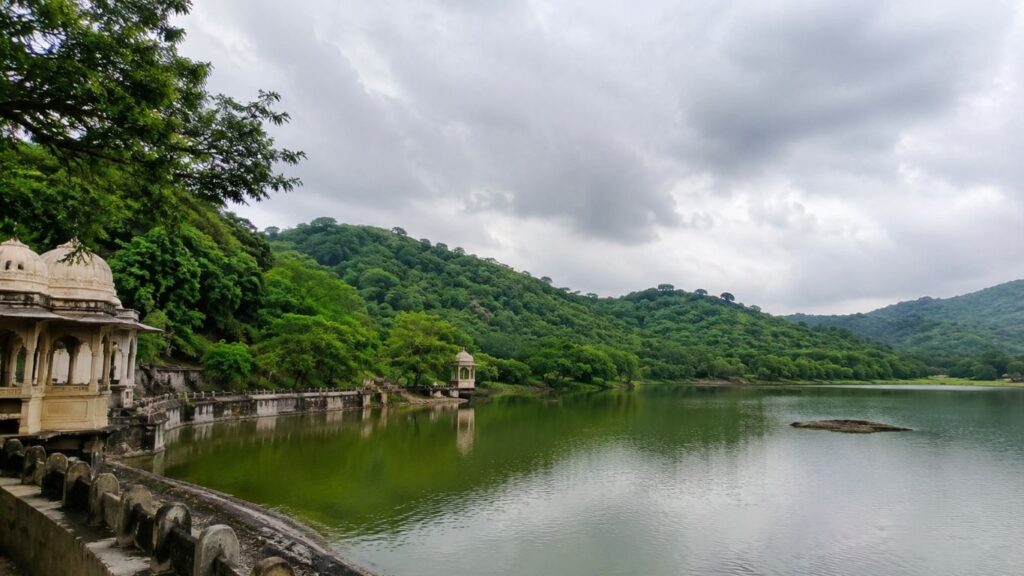
Alwar is one of the best places to visit in Rajasthan in monsoon for travellers who want to combine historic attractions with nature and wildlife. Surrounded by the Aravalli hills, the city offers forts, lakes, royal architecture and convenient access to the Sariska landscape.
During the rainy season, the surrounding hills can become greener, making Alwar particularly appealing for photography and relaxed sightseeing.
Top Places to Visit in Alwar
If you’re planning a Rajasthan monsoon trip, consider these places to visit in Alwar:
• Bala Quila — Explore the massive hilltop fort and enjoy panoramic views of Alwar and the surrounding Aravallis.
• Siliserh Lake — A peaceful spot for scenic views and a relaxing break.
• City Palace — Discover Alwar’s royal heritage and historic architecture.
• Moosi Maharani Ki Chhatri — Admire the beautifully detailed cenotaph and its architectural surroundings.
• Sariska Tiger Reserve — Combine your Alwar trip with a wildlife experience, subject to safari availability and weather conditions.
Why Visit Alwar During Monsoon?
Monsoon can add fresh greenery to Alwar’s hills and countryside, while the combination of forts, lakes and wildlife makes it a versatile destination. If you’re interested in places to visit in Alwar beyond the usual tourist circuit, the surrounding countryside offers plenty of opportunities for scenic drives and photography.
Wildlife safaris require flexibility because zones, timings and access can change according to weather, park regulations and local conditions.
Best for: Families, history lovers, photographers and wildlife enthusiasts.
11. Bharatpur — A Wetland Wonderland for Birdwatchers
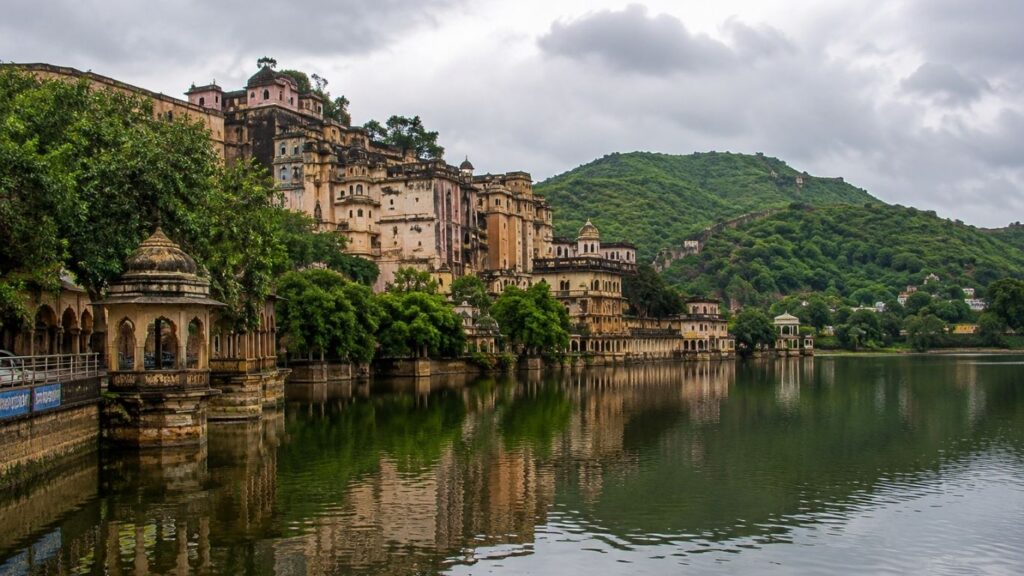
Bharatpur is one of the best places to visit in Rajasthan in monsoon for travellers who want a different experience from forts, palaces and desert landscapes. Its famous wetlands and rich birdlife make it especially appealing to nature lovers, families and photographers.
For anyone searching for places to visit in Bharatpur, Keoladeo National Park is the main attraction and an excellent place to slow down and observe the natural surroundings.
Top Places to Visit in Bharatpur
• Keoladeo National Park — Explore its wetland habitats and observe resident and seasonal birdlife.
• Lohagarh Fort — Discover one of Bharatpur’s important historic landmarks.
• Bharatpur Palace — Explore the city’s royal heritage and architecture.
• Local Birding Spots — Look beyond the main park for additional opportunities to observe local birdlife.
Why Visit Bharatpur During Monsoon?
The rainy season brings fresh water and vegetation to the wetland landscape, creating an attractive setting for birdwatching and nature photography. Take binoculars, comfortable footwear and plenty of time—Bharatpur is best experienced without rushing.
Early mornings can offer softer light and comfortable conditions for photography, although park access and wildlife activity can vary with weather and local regulations.
Best for: Birdwatchers, families, nature lovers and wildlife photographers.
Recommended stay: 1–2 nights.
12. Sorsan — Rajasthan’s Quiet Grassland Escape
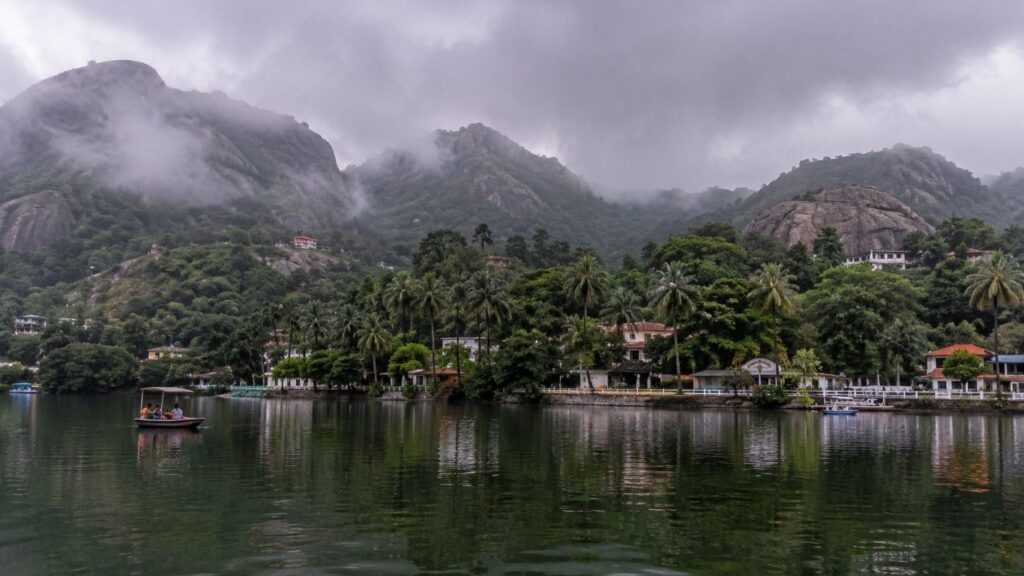
Sorsan is one of the best places to visit in Rajasthan in monsoon for travellers who prefer peaceful landscapes, birdwatching and offbeat experiences. Away from Rajasthan’s busy tourist circuit, its grasslands and wetlands can become greener and more vibrant during the rainy season.
For travellers searching for places to visit in Sorsan, the real attraction is the natural environment rather than a long list of monuments. Birdlife is a major highlight, while blackbuck and other wildlife may be spotted depending on the season, habitat and local conditions.
Why Visit Sorsan During Monsoon?
Rain can transform the grasslands, creating fresh vegetation and improving the landscape for nature photography. Sorsan is best explored slowly—carry binoculars, maintain a safe distance from wildlife and avoid disturbing animals or birds.
Unlike destinations packed with sightseeing attractions, Sorsan rewards patience and quiet observation.
Best for: Birdwatchers, wildlife photographers, nature lovers and offbeat road trippers.
Recommended stay: Half-day or 1 night.
13. Ranthambore — Tigers, Lakes and Monsoon Forests
Ranthambore is one of the best places to visit in Rajasthan in monsoon for travellers who want to combine wildlife, nature and history. The landscape brings together forests, lakes, ancient ruins and the impressive Ranthambore Fort, creating a distinctive experience in Rajasthan.
For travellers searching for places to visit in Ranthambore, the wildlife reserve is the main attraction, but the fort and surrounding landscapes are equally worth experiencing.
Things to See in Ranthambore
• Ranthambore National Park — Explore the forest landscape and look for diverse wildlife.
• Ranthambore Fort — Discover the historic fort overlooking the surrounding landscape.
• Lakes & Waterholes — Enjoy scenic habitats where birds and animals may gather.
• Wildlife Photography — Look for chital, sambar, crocodiles, wild boar, birds and other species.
Don’t Expect a Guaranteed Tiger Sighting
A safari is an experience in a natural ecosystem, so tiger sightings can never be guaranteed. Instead, enjoy the complete wildlife experience and appreciate the forest, landscapes and variety of species you encounter.
Safari routes, zones, timings and availability can change according to official regulations and weather conditions, so check current information before travelling.
Best for: Wildlife enthusiasts, photographers and nature lovers.
Recommended stay: 2–3 nights.
Rajasthan Monsoon Destinations: Quick Comparison
| Destination | Monsoon highlight | Recommended stay | Best for |
|---|---|---|---|
| Udaipur | Lakes and green hills | 2–3 nights | Couples |
| Kumbhalgarh | Fort and Aravallis | 1–2 nights | History |
| Mount Abu | Mist and greenery | 2 nights | Families |
| Bundi | Palaces and stepwells | 1–2 nights | Heritage |
| Banswara | Lakes and countryside | 1–2 nights | Nature |
| Chittorgarh | Fort and history | 1 night | History |
| Kota | Chambal landscape | 1–2 nights | Road trips |
| Jhalawar | Water fort and greenery | 1–2 nights | Offbeat travel |
| Rawatbhata | Seasonal waterfalls | 1 night | Adventure |
| Alwar | Forts and Sariska | 1–2 nights | Wildlife |
| Bharatpur | Wetlands and birds | 1–2 nights | Birding |
| Sorsan | Grasslands | Half–1 day | Nature |
| Ranthambore | Wildlife | 2–3 nights | Safari |
Best Places to Visit in Rajasthan in August
August can be an excellent month for experiencing Rajasthan in monsoon.
The Aravalli and southeastern regions may be greener, lakes can be fuller and the atmosphere can be particularly photogenic.
Top choices include:
- Udaipur
- Kumbhalgarh
- Mount Abu
- Bundi
- Banswara
- Jhalawar
- Rawatbhata
August is also a good time to explore Rajasthan at a slower pace, allowing weather conditions to determine your daily schedule.
Best Places to Visit in Rajasthan in September
September is useful for travellers who want to experience the tail end of the monsoon while potentially encountering fewer disruptions than during periods of heavy rainfall.
Consider:
- Udaipur
- Bundi
- Kumbhalgarh
- Mount Abu
- Banswara
- Jhalawar
- Chittorgarh
The amount of greenery and water in waterfalls varies from year to year.
Best Rajasthan Monsoon Itineraries
Rajasthan is a large state, so trying to cover all 13 destinations in one trip can make your journey rushed. During monsoon, rain can also slow road travel. Instead, choose one region and explore it at a relaxed pace.
5-Day Udaipur & Mewar Itinerary
Best for: First-time visitors, couples and heritage lovers
Day 1: Arrive in Udaipur — Explore the Old City, Jagdish Temple and Lake Pichola.
Day 2: Udaipur — Visit City Palace, Fateh Sagar Lake and Monsoon Palace.
Day 3: Udaipur → Kumbhalgarh — Explore Kumbhalgarh Fort and the green Aravalli hills.
Day 4: Kumbhalgarh → Chittorgarh — Explore Chittorgarh Fort, Vijay Stambh and historic temples.
Day 5: Chittorgarh → Departure.
Why choose it? A great introduction to Rajasthan’s lakes, forts, history and monsoon landscapes.
7-Day Hadoti Monsoon Itinerary
Best for: Photographers, nature lovers and offbeat travellers
Day 1: Arrive in Kota — Explore Kota Garh and Kishore Sagar Lake.
Day 2: Kota — Visit Garadia Mahadev and enjoy views of the Chambal River.
Day 3: Kota → Bundi — Explore Bundi Palace, Taragarh Fort and Raniji Ki Baori.
Day 4: Bundi — Explore the old city and surrounding countryside.
Day 5: Bundi → Rawatbhata — Discover seasonal waterfalls and the Chambal landscape, weather permitting.
Day 6: Rawatbhata → Jhalawar — Visit Gagron Fort and nearby heritage sites.
Day 7: Departure.
Why choose it? This route reveals a greener, quieter and more offbeat side of Rajasthan in monsoon.
7-Day Southern Rajasthan Itinerary
Best for: Couples, families and nature lovers
Day 1: Arrive in Udaipur — Explore Lake Pichola and the Old City.
Day 2: Udaipur — Visit City Palace, Monsoon Palace and Fateh Sagar Lake.
Day 3: Udaipur → Kumbhalgarh — Explore the historic fort and Aravalli scenery.
Day 4: Kumbhalgarh → Ranakpur — Visit the famous Jain temples.
Day 5: Ranakpur → Mount Abu — Explore Nakki Lake and the hill station.
Day 6: Mount Abu — Visit Guru Shikhar, Toad Rock and Dilwara Jain Temples.
Day 7: Departure.
Why choose it? A scenic combination of lakes, forts, temples, green hills and some of the best places to visit in Rajasthan in monsoon.
Which Itinerary Should You Choose?
| Itinerary | Duration | Best For | Highlights |
|---|---|---|---|
| Udaipur & Mewar | 5 days | First-time visitors | Lakes, forts & heritage |
| Hadoti | 7 days | Offbeat travellers | Waterfalls, rivers & countryside |
| Southern Rajasthan | 7 days | Couples & families | Lakes, hills & temples |
Monsoon tip: Keep your schedule flexible and check local weather, road conditions and attraction access before travelling, especially for waterfalls and hill routes.
What to Pack for a Rajasthan Monsoon Trip
| Category | What to Pack | Why You Need It |
|---|---|---|
| 👕 Clothing | Lightweight, quick-drying clothes | Comfortable during rain and humidity |
| 👟 Footwear | Water-resistant shoes with good grip | Safer on wet streets, forts and trails |
| 📱 Electronics | Waterproof phone pouch, dry bag, power bank | Protects devices from rain and moisture |
| 📷 Camera Gear | Camera rain cover, microfiber cloth | Keeps photography equipment dry |
| ☔ Rain Protection | Compact umbrella, rain jacket or poncho | Protection from sudden showers |
| 🧴 Personal Care | Sunscreen, insect repellent | Protection from sun and insects |
| 🩹 Health & Safety | Personal medicines, basic first-aid kit | Useful for minor emergencies |
| 💧 Hydration | Reusable water bottle | Helps you stay hydrated while sightseeing |
| 🎒 Luggage | Lightweight backpack or daypack | Easier to carry during wet-weather travel |
Quick tip: Pack light and prioritize waterproof, quick-drying and practical items. A compact backpack is usually more convenient than heavy luggage during a Rajasthan monsoon trip.
Rajasthan Monsoon Photography Guide
| Photography Tip | What to Do | Why It Works |
|---|---|---|
| 🌅 Use Soft Light | Shoot early morning or late afternoon | Creates softer, more flattering light |
| 💧 Capture Reflections | Photograph lakes, puddles and wet streets | Adds depth and visual interest |
| ☁️ Use Dramatic Clouds | Include stormy skies in your composition | Creates a cinematic monsoon atmosphere |
| 🌿 Shoot After Rain | Photograph landscapes shortly after a shower | Fresh greenery and clearer air enhance the scene |
| 🏰 Photograph Architecture | Frame forts and palaces against cloudy skies | Creates striking contrast and depth |
| 📷 Protect Your Camera | Use a rain cover and keep gear in a waterproof bag | Prevents moisture damage |
| 🔍 Avoid Lens Changes in Rain | Change lenses indoors or under proper cover | Reduces the risk of moisture entering the camera |
| 🎨 Experiment with Composition | Use reflections, foreground elements and leading lines | Makes ordinary monsoon scenes more compelling |
Quick tip: For the best Rajasthan monsoon photography, don’t wait for perfect blue skies. Rain clouds, mist, reflections and freshly washed landscapes are what make the season visually unique.
8 Important Monsoon Travel Tips
1. Check the weather every morning
Conditions can change quickly.
2. Avoid flooded roads
Never assume a road is safe simply because another vehicle has crossed.
3. Don’t underestimate waterfalls
Fast-moving water is dangerous.
4. Keep buffer time
Rain can delay road travel.
5. Confirm attraction timings
Some outdoor attractions may temporarily close during severe weather.
6. Check wildlife rules
Safari access can change.
7. Carry cash for rural areas
Card and mobile-payment availability may be less predictable outside major cities.
8. Ask locals about road conditions
For remote waterfalls and countryside routes, local information can be more useful than an old online article.
Rajasthan Monsoon vs Winter
Which season is better depends on your priorities.
| Experience | Monsoon | Winter |
|---|---|---|
| Green landscapes | ⭐⭐⭐⭐⭐ | ⭐⭐⭐ |
| Lakes | ⭐⭐⭐⭐⭐ | ⭐⭐⭐⭐ |
| Waterfalls | ⭐⭐⭐⭐⭐ | ⭐ |
| Photography | ⭐⭐⭐⭐⭐ | ⭐⭐⭐⭐ |
| Comfortable sightseeing | ⭐⭐⭐⭐ | ⭐⭐⭐⭐⭐ |
| Desert travel | ⭐⭐ | ⭐⭐⭐⭐⭐ |
| Wildlife planning | ⭐⭐⭐ | ⭐⭐⭐⭐⭐ |
| Fewer tourists | ⭐⭐⭐⭐ | ⭐⭐ |
Choose monsoon if you want greenery, dramatic skies, waterfalls and a quieter atmosphere.
Choose winter if you want to cover large distances comfortably and combine cities, forts and desert destinations.
Is Rajasthan Worth Visiting in Monsoon?
Absolutely—but destination selection matters.
The best places to visit in Rajasthan in monsoon are generally those where rain enhances the landscape rather than simply making sightseeing wet.
Udaipur becomes a city of reflective lakes and cloudy hills.
Kumbhalgarh becomes a fort surrounded by green Aravallis.
Mount Abu becomes misty and cool.
Bundi’s historic water architecture becomes even more meaningful.
Banswara reveals its greener side.
Jhalawar and Rawatbhata offer water-rich landscapes that many travellers don’t associate with Rajasthan.
The result is a Rajasthan that feels slower, greener and more atmospheric.
FAQ
Which are the best places to visit in Rajasthan in monsoon?
Udaipur, Mount Abu, Kumbhalgarh, Bundi, Banswara, Jhalawar and Rawatbhata are among the strongest choices because rain can significantly improve their landscapes
Is Rajasthan good to visit during the rainy season?
Yes. Rajasthan in monsoon can offer cooler weather, greener scenery, fuller lakes, seasonal waterfalls and fewer peak-season crowds.
Which is the best place for a Rajasthan monsoon trip?
Udaipur is the best all-round choice for most travellers because it combines lakes, palaces, hills, food and excellent accommodation options.
Which places are best in Rajasthan in July?
Udaipur, Kumbhalgarh, Mount Abu, Bundi and destinations in southern and southeastern Rajasthan are good options, depending on rainfall.
Which places are best in Rajasthan in August?
Udaipur, Kumbhalgarh, Mount Abu, Bundi, Banswara and Jhalawar are strong choices for August.
Is Mount Abu worth visiting during monsoon?
Yes. Mount Abu is particularly appealing during the rainy season because of its elevation, forests, hills and cooler climate.
Where can I see waterfalls in Rajasthan during monsoon?
Rawatbhata and parts of southeastern Rajasthan can offer seasonal waterfalls after substantial rainfall. Always check local conditions before visiting.
Is Ranthambore worth visiting during monsoon?
It can be, particularly for travellers interested in landscapes and wildlife, but safari access and operating conditions must be confirmed before booking
How many days are enough for a Rajasthan monsoon trip?
Five to seven days is enough for a focused regional itinerary. Trying to cover the entire state in one monsoon trip is generally inefficient.
Is Rajasthan expensive during monsoon?
Costs vary by destination and property, but monsoon is outside the state’s main winter tourism period. Travellers may find better accommodation availability and occasional lower rates, although this should not be assumed for every hotel or weekend.
Explore More Rajasthan Destinations
Rajasthan has far more to offer beyond the popular monsoon destinations covered in this guide. If you’re planning a longer Rajasthan monsoon trip, these destinations are worth exploring as part of your itinerary:
• Banswara – Known for its lakes, rivers, green landscapes and offbeat charm, Banswara is an excellent choice for travellers looking to explore the greener side of southern Rajasthan. Read our complete Banswara travel guide.
• Ajmer – Famous for its spiritual heritage, historic landmarks and proximity to Pushkar, Ajmer makes a convenient addition to a Rajasthan itinerary. Explore our detailed Ajmer travel guide.
• Jodhpur – Discover the Blue City’s magnificent forts, colourful old streets, markets and royal heritage. Jodhpur is particularly rewarding for travellers interested in Rajasthan’s history and architecture. Read our Jodhpur travel guide.
• Jaipur – The Pink City is home to spectacular forts, palaces, bazaars and cultural attractions. It is an ideal starting point for exploring Rajasthan and can easily be combined with other destinations. Explore our Jaipur travel guide.
• Jaisalmer – For a completely different Rajasthan experience, head west to the Golden City, where sandstone architecture, desert landscapes and traditional culture create an unforgettable contrast to the monsoon destinations of southern Rajasthan. Read our Jaisalmer travel guide.
Whether you’re interested in Rajasthan’s monsoon landscapes, historic forts, royal cities, desert adventures or offbeat destinations, exploring these additional places can help you create a more complete Rajasthan travel itinerary.
Concluding
The beauty of Rajasthan in the rainy season isn’t simply that it becomes greener.
It’s that familiar places become unfamiliar.
A fort that normally stands against a dry golden landscape may suddenly appear surrounded by green hills.
A lake that looked decorative becomes the centrepiece of the city.
A forgotten seasonal stream turns into a waterfall.
A historic stepwell fills with water.
And a cloudy evening can transform an ordinary viewpoint into a spectacular photograph.
For travellers searching for the best places to visit in Rajasthan in monsoon, the answer isn’t one destination.
It’s a collection of regions where rainfall changes the experience.
Choose Udaipur for lakes and romance.
Choose Kumbhalgarh for forts and mountains.
Choose Mount Abu for cool weather and greenery.
Choose Bundi for heritage and slow travel.
Choose Banswara for an offbeat experience.
Choose Hadoti for waterfalls, rivers and lesser-known destinations.
And choose Ranthambore or Bharatpur when wildlife is the priority.
Most importantly, don’t try to rush.
Travel Rajasthan after the rain, and let the weather become part of the journey.