Few places in the world transform as dramatically during the rainy season as Meghalaya. Often called the “Abode of Clouds,” this breathtaking state in Northeast India becomes a vibrant paradise where emerald-green hills, roaring waterfalls, mist-covered valleys, and crystal-clear rivers create unforgettable landscapes. While many travelers avoid the rains, those who experience the Monsoon in Meghalaya discover a side of India that is peaceful, magical, and unlike anywhere else.
Unlike destinations where heavy rainfall disrupts travel, the Monsoon in Meghalaya is part of the region’s identity. The rain nourishes ancient forests, fills spectacular waterfalls, refreshes rivers, and gives life to the famous Living Root Bridges that have become symbols of sustainable engineering.
Whether you’re a nature lover, photographer, adventure seeker, or someone looking to escape crowded tourist destinations, Meghalaya offers an unforgettable experience during the rainy months. From the dramatic cliffs of Cherrapunji to the crystal-clear waters of Dawki and the lush forests of Mawphlang, every corner of the state feels alive.
In this complete guide, you’ll learn everything you need to know about visiting Meghalaya during the monsoon—from weather conditions and the best places to explore to travel tips, safety advice, and hidden gems that many tourists never discover.
Why Visit Meghalaya During the Monsoon?
Many travelers assume that the rainy season is the worst time to visit, but Meghalaya proves exactly the opposite. Rain is what makes this destination extraordinary.
During the Monsoon in Meghalaya, the entire landscape comes alive. Dry streams become powerful waterfalls, forests glow with fresh greenery, and clouds drift gracefully through valleys, creating dreamlike scenery throughout the day.
Some of the biggest advantages include:
- Waterfalls at their most spectacular.
- Cooler temperatures compared to most of India.
- Lush forests and vibrant landscapes.
- Incredible photography opportunities.
- Fewer crowds than peak winter season.
- Fresh mountain air and pleasant climate.
- Rivers flowing at full strength.
- Unique cultural experiences in traditional Khasi villages.
If your goal is to witness Meghalaya at its most beautiful, the monsoon season is undoubtedly one of the best times to visit.
When Does the Monsoon Season Begin in Meghalaya?
The rainy season usually arrives during the last week of May or early June and continues until late September, with occasional showers extending into October
May
- Early showers begin.
- Hills start turning green.
- Pleasant weather for sightseeing.
- Ideal for travelers who prefer lighter rainfall.
June
- Official beginning of the monsoon.
- Waterfalls become more powerful.
- Mist covers the mountains almost daily.
- Excellent month for nature photography.
July
- Peak rainfall across the state.
- Rivers and waterfalls reach their fullest.
- Dense clouds create dramatic landscapes.
- Best for travelers seeking the true monsoon experience.
August
- Heavy showers continue.
- Forests become exceptionally lush.
- Great time for eco-tourism and waterfall enthusiasts.
September
- Rain gradually decreases.
- Clearer skies begin to appear.
- Waterfalls remain spectacular.
- Excellent balance between greenery and comfortable travel.
Weather During the Monsoon in Meghalaya
One of the biggest surprises for first-time visitors is how pleasant the temperatures remain, even during the rainy season.
| Season | Temperature |
|---|---|
| Early Monsoon | 18°C–25°C |
| Peak Monsoon | 17°C–23°C |
| Late Monsoon | 18°C–26°C |
Humidity is naturally high, but the cool mountain breeze makes outdoor exploration comfortable compared to the hot plains of India.
Morning hours often begin with sunshine before clouds gather in the afternoon, followed by refreshing showers and misty evenings.
Best Places to Visit During the Monsoon in Meghalaya
The Monsoon in Meghalaya transforms the state into a breathtaking paradise of mist-covered hills, roaring waterfalls, lush forests, and crystal-clear rivers. From the iconic landscapes of Cherrapunji to the peaceful villages of Mawlynnong and the scenic beauty of Dawki, every destination offers a unique experience during the rainy season. Here are some of the best places to visit in Meghalaya to make the most of your monsoon adventure.
1. Cherrapunji (Sohra) – The Monsoon Capital of Meghalaya
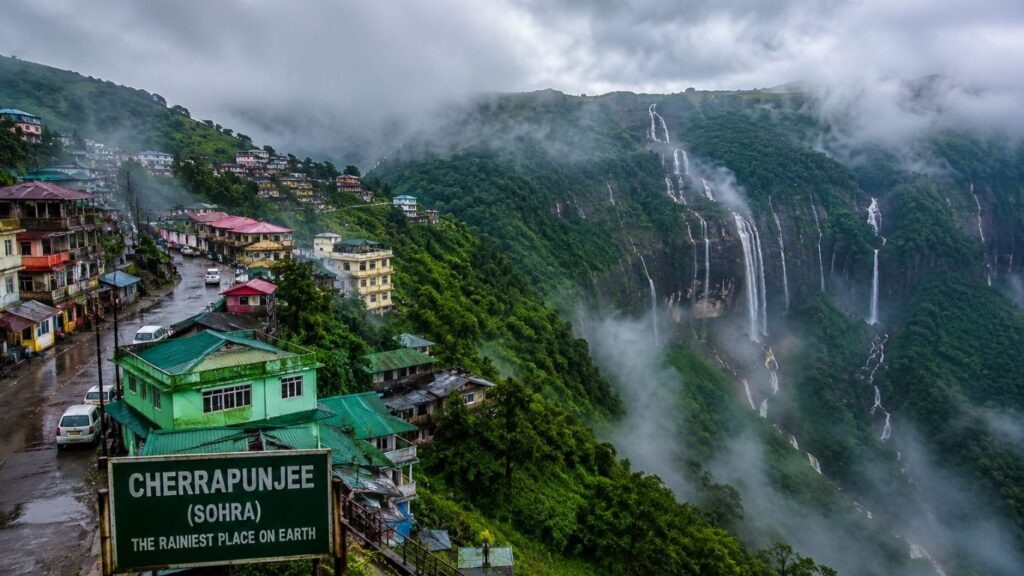
No place in Meghalaya better captures the beauty of the monsoons than
Cherrapunji (Sohra) . Renowned as one of the rainiest cities in the world, this picturesque hill town comes alive during the rainy season with lush valleys, mist-shrouded cliffs, roaring waterfalls, and fascinating limestone caves.
Top Attractions
- Nohlikai Falls – The highest waterfall in India.
- Seven Sisters Falls – A spectacular multi-stream waterfall that reaches its peak during the monsoons.
- Wei Sawdong Waterfall – A breathtaking three-tiered waterfall with turquoise pools.
- Dainthlen Falls – A mighty waterfall steeped in Khasi folklore.
- Mawsmai Cave – An easily accessible limestone cave with impressive rock formations.
- Arwah Cave – Known for its ancient fossils and underground passages.
- Eco Park – Offers picturesque views of valleys and waterfalls.
- Thangkharang Park – A picturesque place to see lush green ravines and the Khoh Ramha rock formation.
During the monsoon, waterfalls gush from almost every rock, clouds blanket the valleys, and the entire area is tinged with lush green. Whether you’re exploring caves, enjoying waterfalls, or taking in the breathtaking views, Cherrapunji offers one of Meghalaya’s most unforgettable experiences.
2. Mawlynnong – The Cleanest Village in Asia
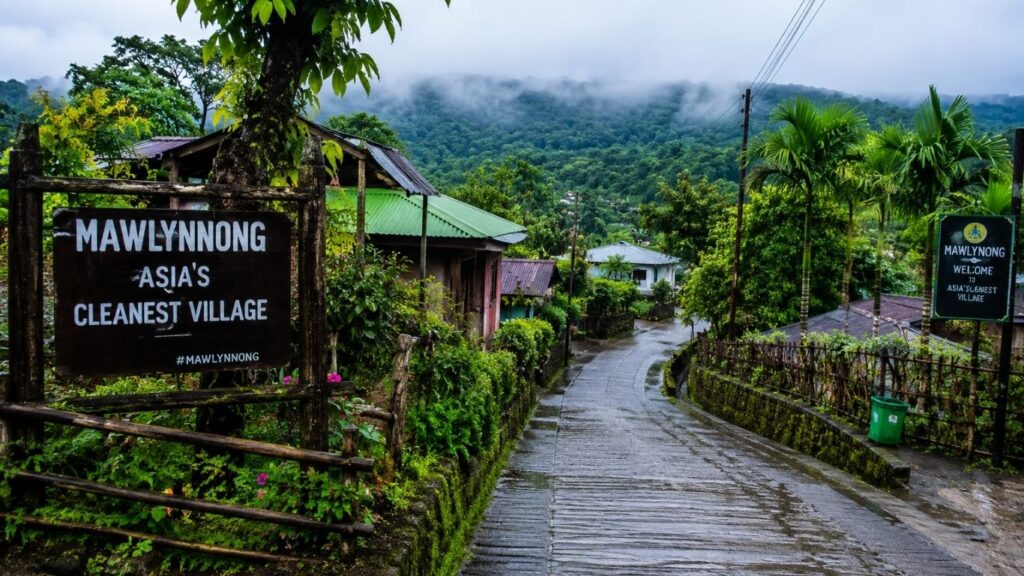
One of the cleanest villages in AsiaMawlynnong, also known as
Mawlynnong, is a charming Khasi village that becomes even more beautiful during the monsoons. Surrounded by lush greenery, colorful flower gardens, and a tranquil rural setting, the village offers visitors a glimpse into Meghalaya’s rich culture and sustainable lifestyle.
Top Attractions
- Bamboo Sky Walk – Enjoy panoramic views of the surrounding forests and plains of Bangladesh.
- Living Root Bridge – A remarkable example of nature and traditional Khasi engineering.
- Beautiful flower gardens – Colourful flowers bloom all over the village during the rainy season.
- Traditional Khasi Houses – Experience the unique architecture and warm hospitality of the local community.
- Organic Farming – Learn about the eco-friendly farming practices followed by the villagers.
With its immaculate roads, fresh mountain air and serene atmosphere, Mawlynnong is the ideal destination for travellers looking for an authentic rural experience during monsoon in Meghalaya .
3. Shillong – Gateway to Meghalaya
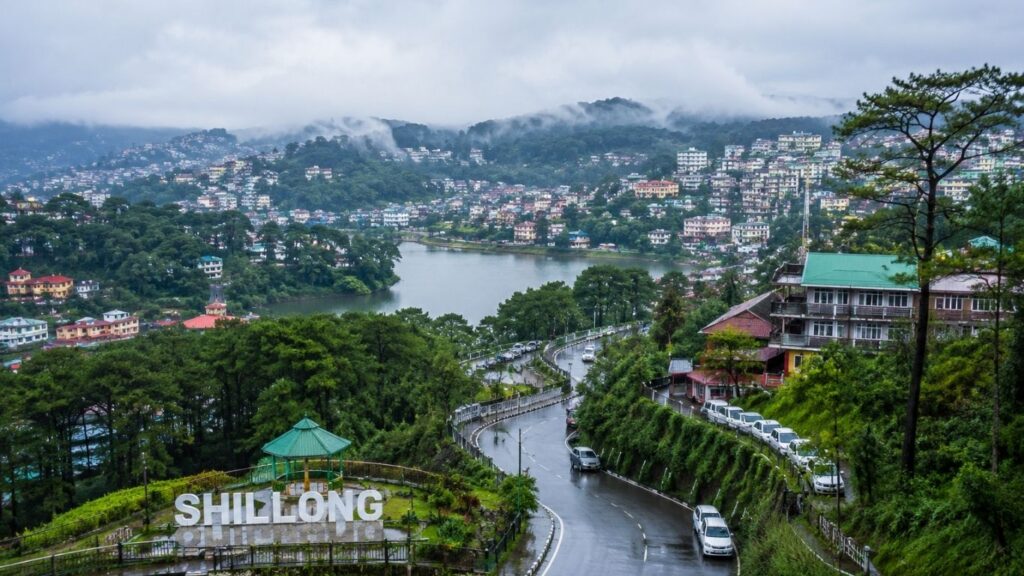
Shillong, the vibrant capital of Meghalaya, is an ideal place to visit during the monsoon season. Often called the “Scotland of the East,” the city is known for its cool climate, lush mountains, colonial charm, vibrant cafes, and rich cultural heritage. During the rainy season, the mist-shrouded streets, lush parks, and cascading waterfalls make Shillong even more charming.
Top Attractions
- Wards Lake – A tranquil lake surrounded by beautiful gardens.
- Elephant Falls – A picturesque three-storey waterfall that looks extremely beautiful during the monsoons.
- Shillong Peak – The highest point in the city, offering a panoramic view of Shillong and the surrounding hills.
- Laitlum Canyon – A breathtaking place famous for its spectacular canyons and floating clouds.
- Don Bosco Museum – One of the finest museums in Northeast India, showcasing the rich tribal heritage of the region.
- Mary Help of Christians Cathedral – A beautiful hilltop church known for its magnificent architecture.
- Lady Hydari Park – A tranquil garden with colourful flowers, walking paths and a small zoo.
- Police Bazaar – Shillong’s bustling shopping and dining hub, the perfect place for local handicrafts and street food.
After a day of sightseeing, relax in one of Shillong’s cozy cafes, enjoy the vibrant live music, or simply soak up the cool mountain air that makes this city one of the most attractive destinations in Meghalaya.
4. Doses – A picturesque riverside getaway
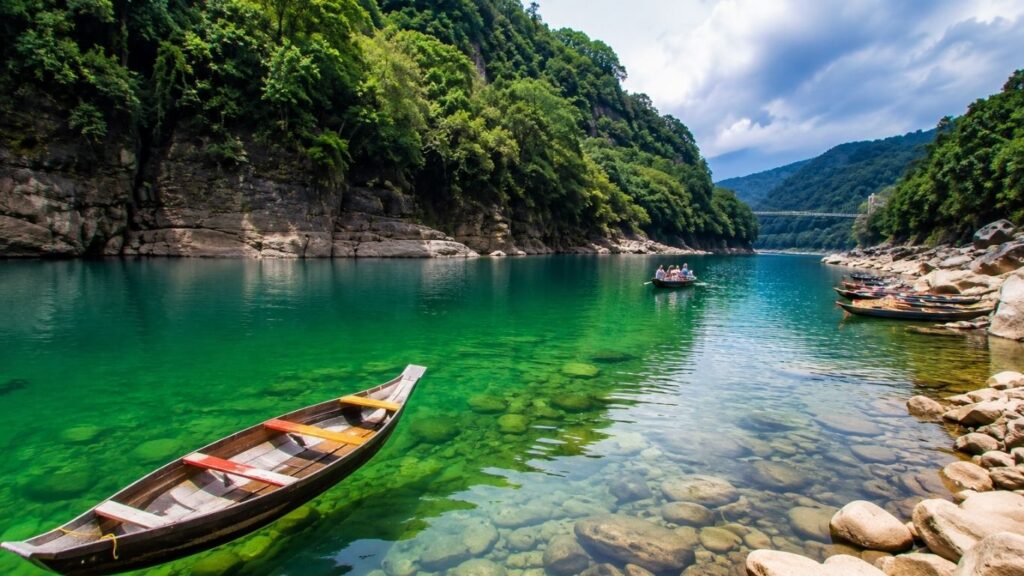
Dawki , located on the India-Bangladesh border
, is famous for its serene
Umngot River , which presents a different, yet equally captivating, beauty during the monsoon. Although the river isn’t as transparent as it is in winter, the surrounding emerald-green hills, misty landscape, and flowing water create a breathtaking backdrop.
Top Attractions
- Umngot River – Enjoy the breathtaking views of the river banks and the refreshing monsoon season.
- Dawki Suspension Bridge – A historic bridge that offers beautiful views of the river and the surrounding hills.
- Shnongpadeng Village – A quiet riverside village known for camping and adventure activities.
- India-Bangladesh Border View-Point – A unique place to view the international border and the picturesque valley.
Boating may be temporarily suspended during heavy rains for safety reasons. However, the picturesque route, lush landscape, and tranquil atmosphere make Dawki a must-see place in Meghalaya during the monsoon .
5. Mawphlang Sacred Forest – A Living Heritage of Nature
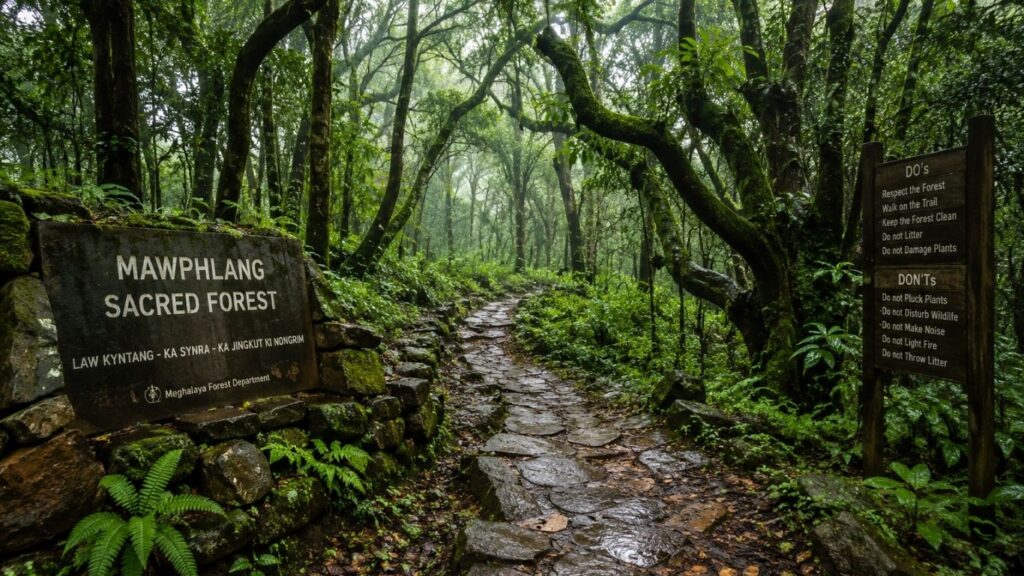
The Mawphlang Sacred Forest is one of Meghalaya’s most unique natural attractions, preserved for centuries by the Khasi community through traditional beliefs and conservation practices. Covered with ancient trees, rare medicinal plants, moss-covered rocks, and diverse wildlife, this forest becomes even more captivating during the monsoon.
Top Attractions
- Ancient forest with rich biodiversity.
- Rare medicinal plants and native orchids.
- Moss-covered paths and tall trees.
- Guided nature tours by local Khasi guides.
- Fascinating legends, folktales and sacred traditions of the Khasi people.
Guided walks through this mystical forest offer a unique opportunity to learn about Meghalaya’s cultural heritage and sustainable conservation practices, as well as experience one of the state’s most serene and untouched landscapes.
The Most Spectacular Waterfalls to See
One of the biggest reasons travelers plan a trip during the Monsoon in Meghalaya is to witness its world-famous waterfalls at their most powerful.
Nohkalikai Falls
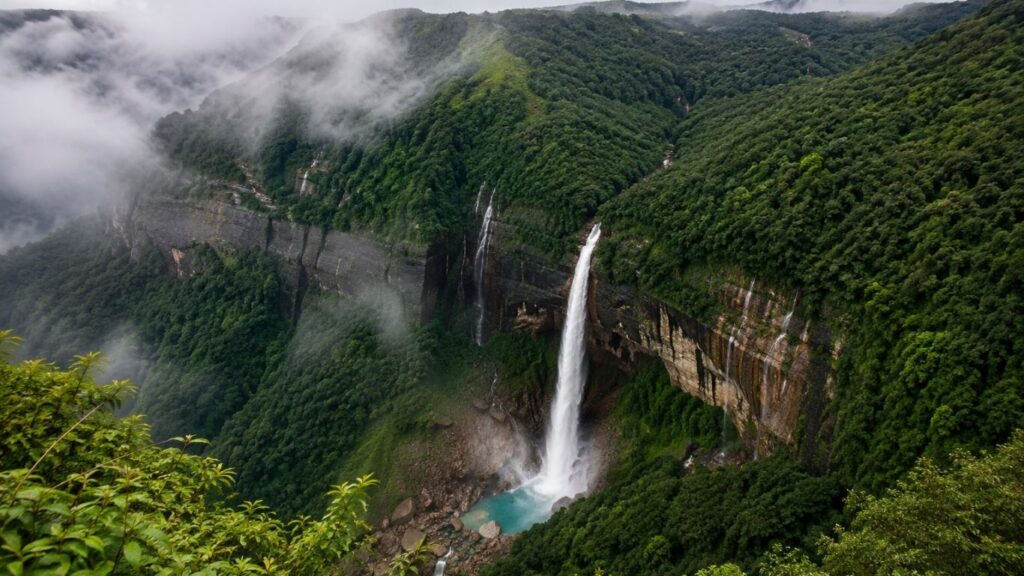
Standing over 340 meters tall, Nohkalikai Falls is India’s tallest plunge waterfall. During the rainy season, the sheer volume of water creates a mesmerizing spectacle, while mist rises dramatically from the turquoise pool below.
Seven Sisters Falls
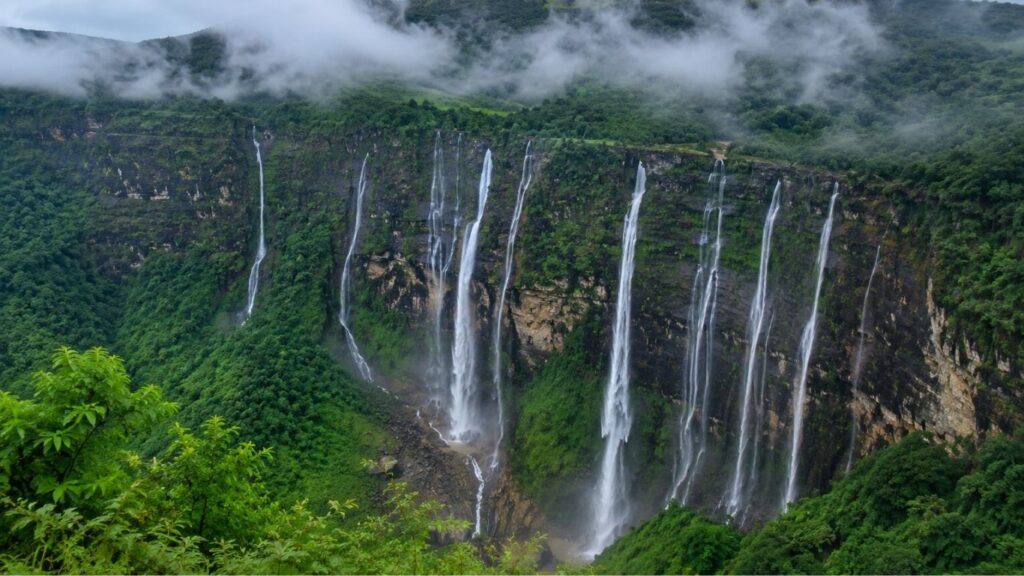
This iconic waterfall features seven parallel streams flowing down a massive limestone cliff. The sight is especially breathtaking after heavy rainfall when all seven cascades are active.
Wei Sawdong Falls
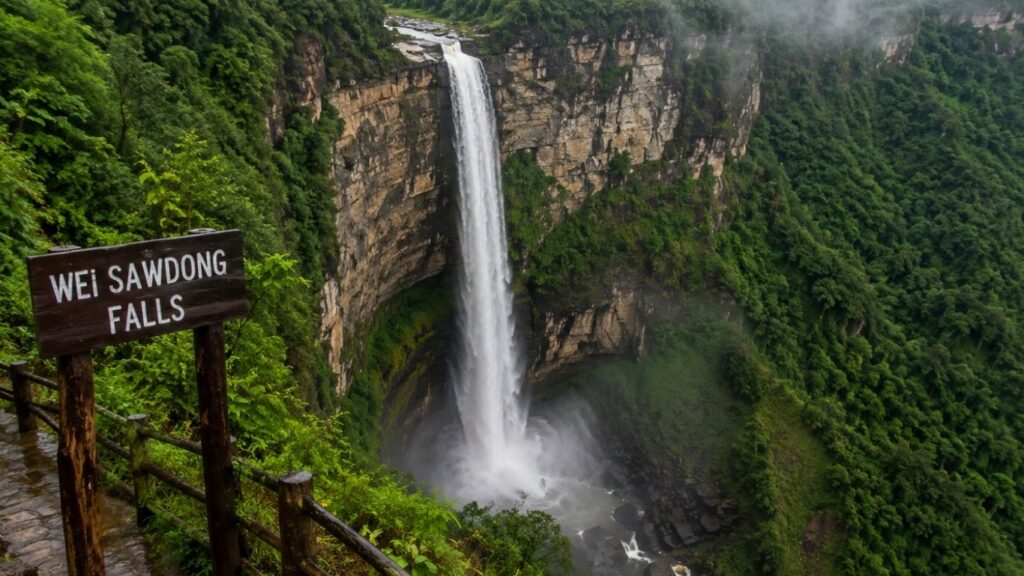
Often regarded as one of Meghalaya’s most photogenic waterfalls, Wei Sawdong is known for its stunning turquoise pools arranged across three natural tiers. The surrounding rainforest becomes exceptionally vibrant during the monsoon.
Elephant Falls
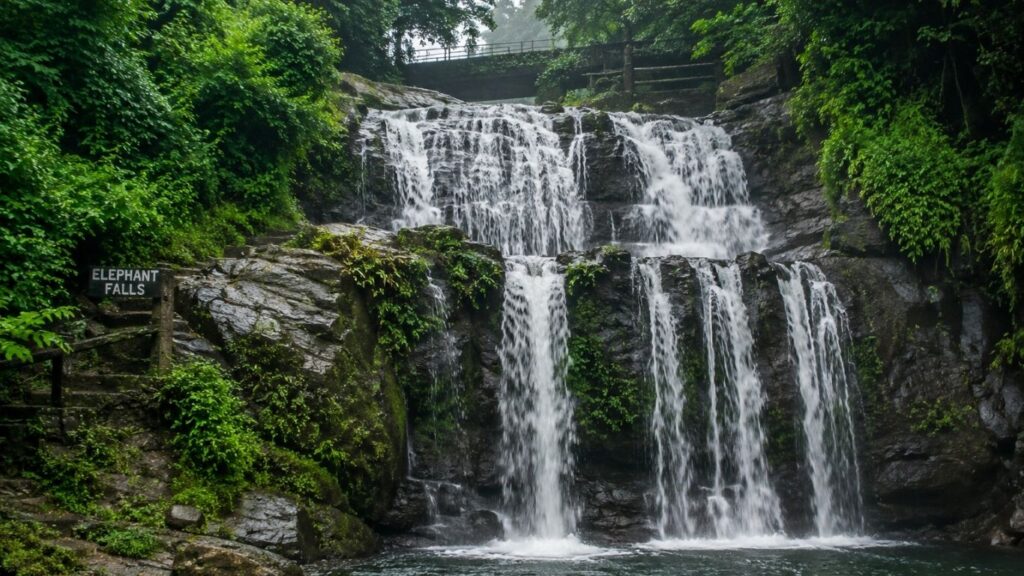
Located near Shillong, Elephant Falls is easily accessible and remains one of the state’s most visited attractions. The three-tiered cascade is surrounded by lush vegetation and is especially beautiful after seasonal rains.
Dainthlen Falls
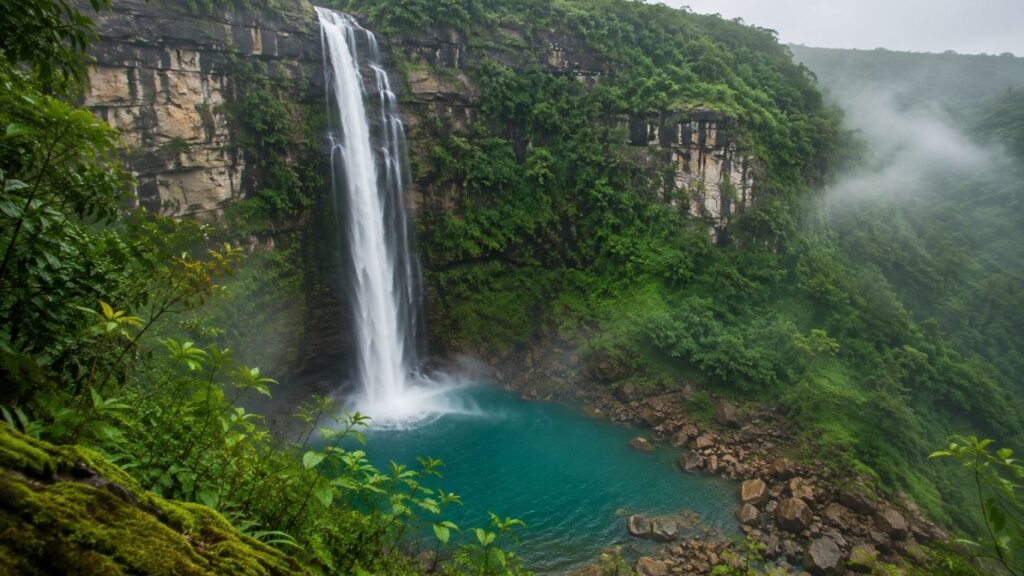
Steeped in Khasi folklore, Dainthlen Falls combines dramatic scenery with fascinating local legends. Viewing platforms provide excellent panoramic views of the rushing water and surrounding valley.
Living Root Bridges: Nature and Human Ingenuity
The famous Living Root Bridges are among Meghalaya’s greatest treasures. Instead of using steel or concrete, local Khasi communities guide the aerial roots of rubber trees across streams over many decades, creating living bridges that grow stronger with time.
Popular root bridges include:
- Nongriat Double Decker Living Root Bridge
- Ritymmen Living Root Bridge
- Ummunoi Root Bridge
- Mawlynnong Living Root Bridge
Visiting these remarkable structures during the monsoon is especially rewarding, as the surrounding forests are lush, streams flow vigorously, and the atmosphere is filled with the sounds of nature.
While trekking to some bridges can be challenging due to slippery trails, proper footwear and careful planning make the experience unforgettable.
Adventure Activities During the Monsoon in Meghalaya
The Monsoon in Meghalaya isn’t just about sightseeing—it also offers unforgettable outdoor experiences. While certain activities depend on weather conditions, many become even more exciting during the rainy season.
1. Trek to the Double Decker Living Root Bridge
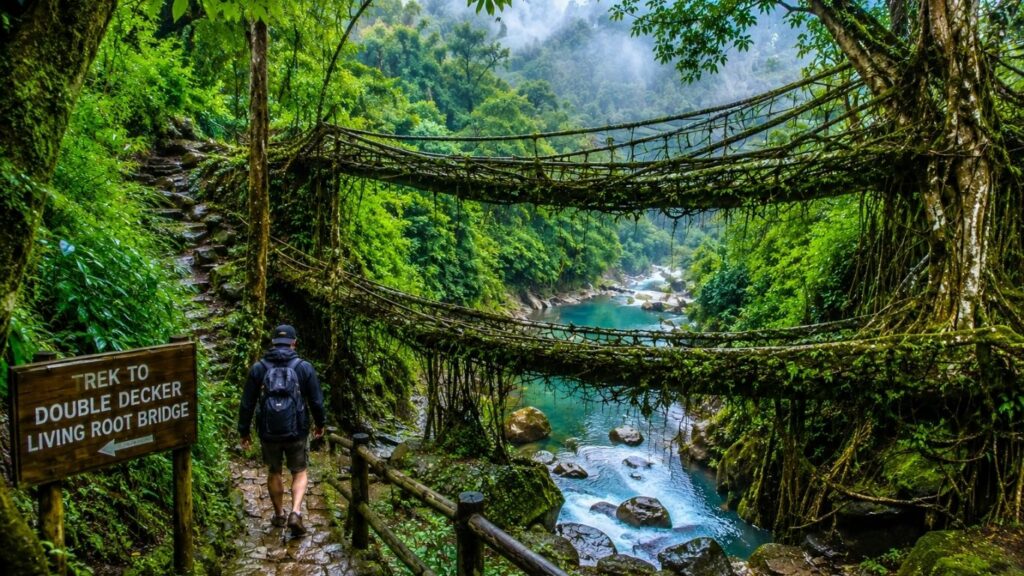
The trek to the famous Double Decker Living Root Bridge in Nongriat is one of Meghalaya’s most rewarding adventures. The trail includes thousands of stone steps winding through dense forests, small villages, suspension bridges, and streams.
During the monsoon, the landscape is incredibly lush, with countless seasonal waterfalls appearing along the route. Since the steps can become slippery, it’s important to wear shoes with excellent grip and take your time.
Trek Details:
- Distance: Approximately 6 km (round trip)
- Duration: 5–7 hours
- Difficulty: Moderate to Challenging
- Best for: Nature lovers and adventure enthusiasts
2. Explore Meghalaya’s Limestone Caves
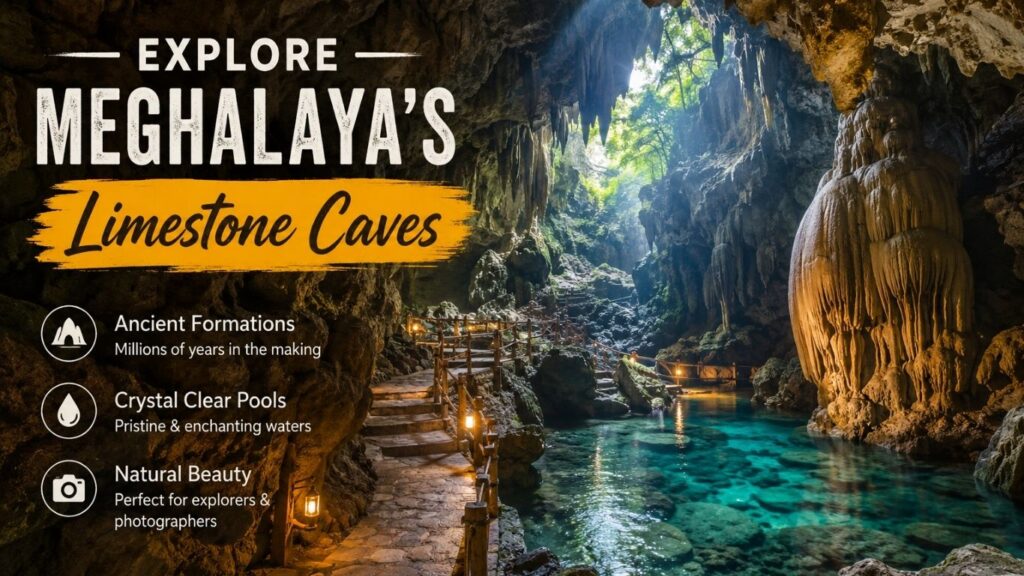
Meghalaya is home to some of India’s longest and most fascinating cave systems. While a few caves may temporarily close during periods of heavy rainfall, several remain accessible with local guides.
Popular caves include:
- Mawsmai Cave
- Arwah Cave
- Mawjymbuin Cave
- Krem Liat Prah (for experienced explorers)
- Siju Cave (South Garo Hills)
These caves feature impressive limestone formations, underground passages, and fascinating geological features formed over millions of years.
3. Waterfall Hopping
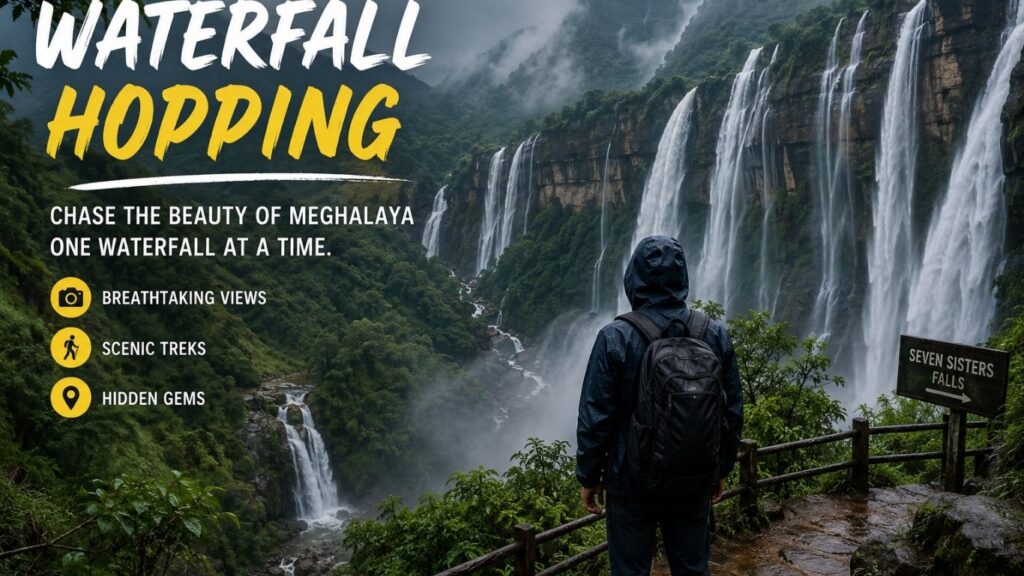
One of the best ways to experience the Monsoon in Meghalaya is by planning a waterfall trail. Many waterfalls are located within a short driving distance of each other, making it easy to explore several in a single day.
Some lesser-known waterfalls worth adding to your itinerary include:
- Krang Suri Falls
- Lyngksiar Falls
- Bishop Falls
- Beadon Falls
- Rainbow Falls (accessible via trek)
- Langshiang Falls
Always check local weather conditions before visiting, as heavy rain can affect access to some locations.
4. Scenic Road Trips
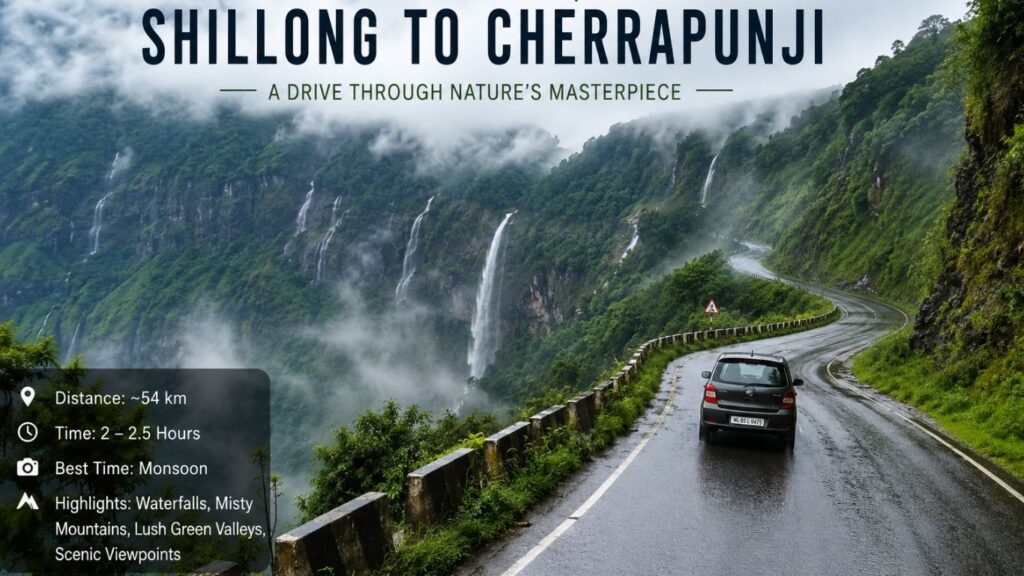
Driving through Meghalaya during the rainy season is an experience in itself. Roads wind through rolling hills, pine forests, cloud-covered valleys, and charming villages.
Popular scenic routes include:
- Shillong to Cherrapunji
- Shillong to Dawki
- Cherrapunji to Mawlynnong
- Shillong to Mawphlang
- Shillong to Jowai
Frequent stops at viewpoints reveal dramatic landscapes, making these drives a highlight of any trip.
5. Nature Walks and Birdwatching
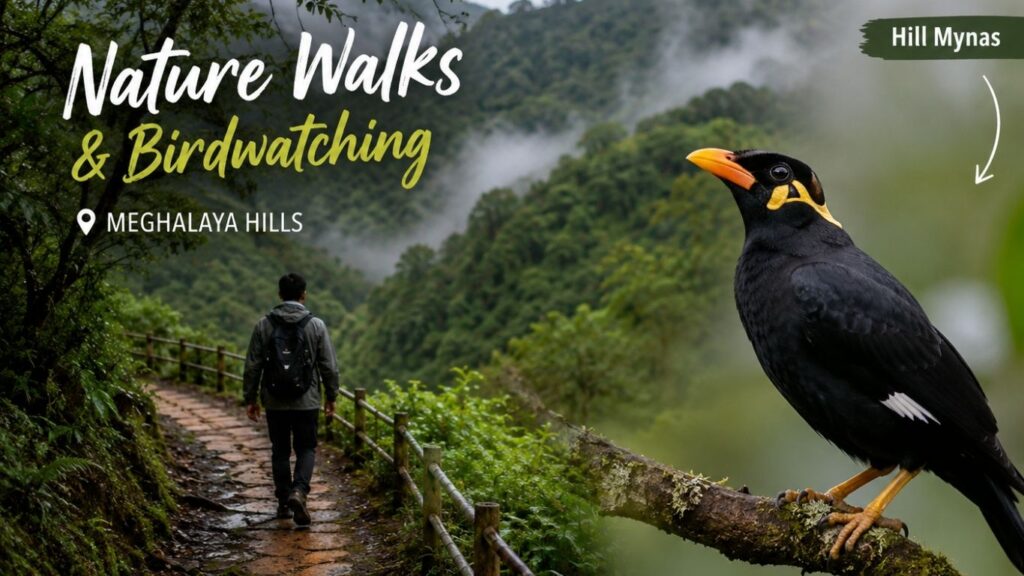
The monsoon transforms Meghalaya’s forests into thriving ecosystems. Birdwatchers and wildlife enthusiasts can spot a variety of species, especially in protected areas and community forests.
Look out for:
- Hill mynas
- Sunbirds
- Hornbills
- Barbets
- Flycatchers
- Colorful butterflies
- Unique orchids and ferns
Early mornings often provide the best opportunities for wildlife observation.
Hidden Gems Most Tourists Miss
Beyond the famous attractions, Meghalaya offers countless lesser-known destinations that reward curious travelers.
Laitlum Canyon
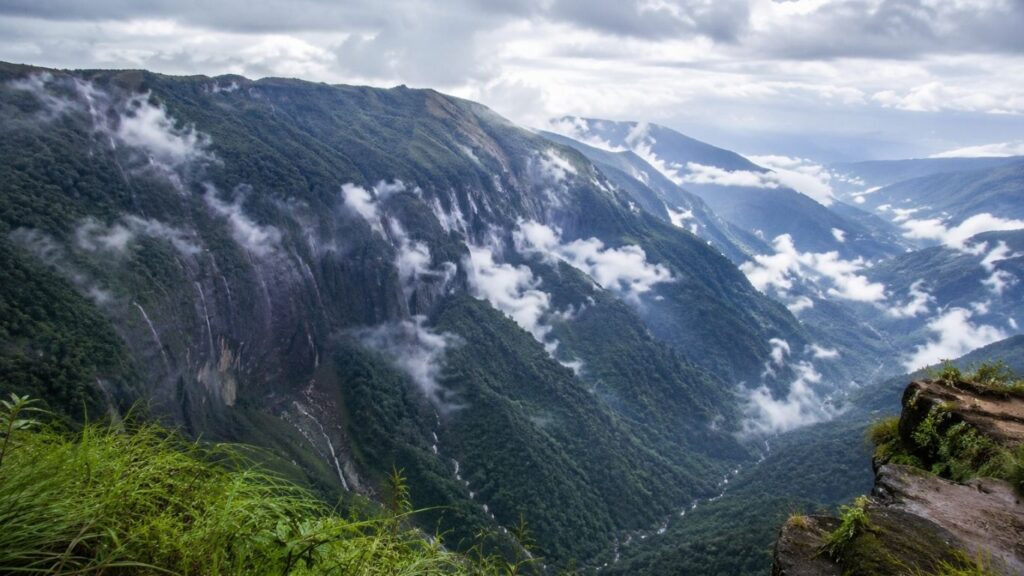
Often called the “End of Hills,” Laitlum Canyon offers sweeping views of deep valleys and rolling hills. During the monsoon, drifting clouds create a surreal atmosphere, making it one of the state’s most photogenic locations.
Krang Suri Falls
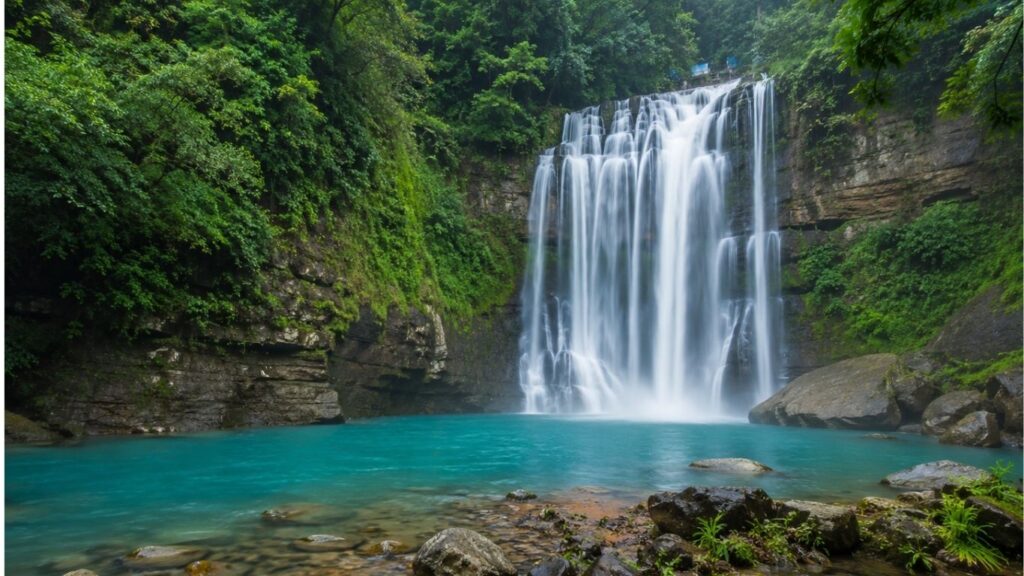
Known for its striking blue-green waters, Krang Suri Falls is surrounded by dense forests and dramatic cliffs. The waterfall becomes especially impressive during the rainy season, though swimming may not always be permitted depending on water levels.
Phe Phe Falls
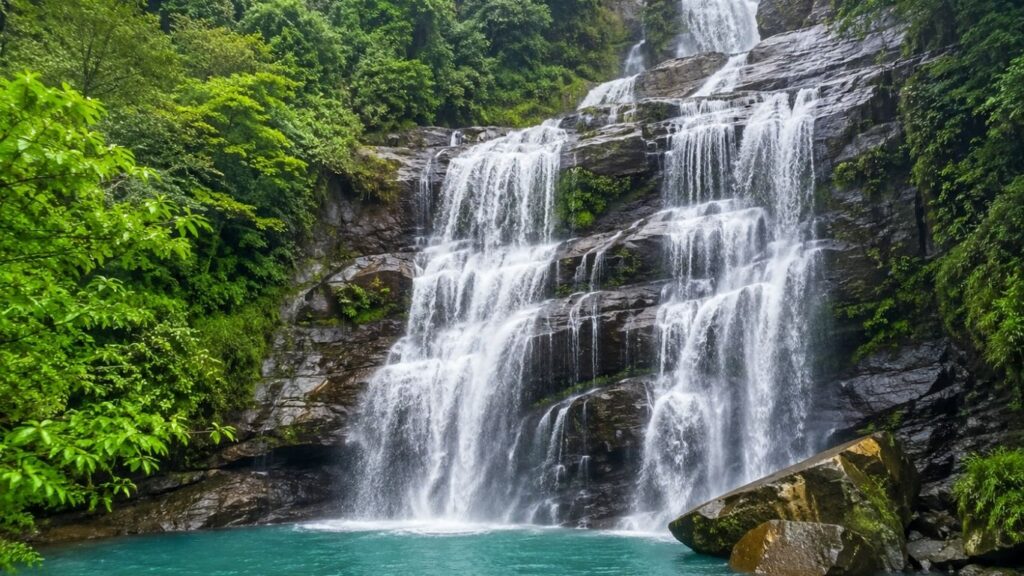
Hidden deep within the Jaintia Hills, Phe Phe Falls is one of Meghalaya’s least-visited natural wonders. Reaching it requires a short trek, but the peaceful setting and untouched surroundings make the effort worthwhile.
Shnongpdeng
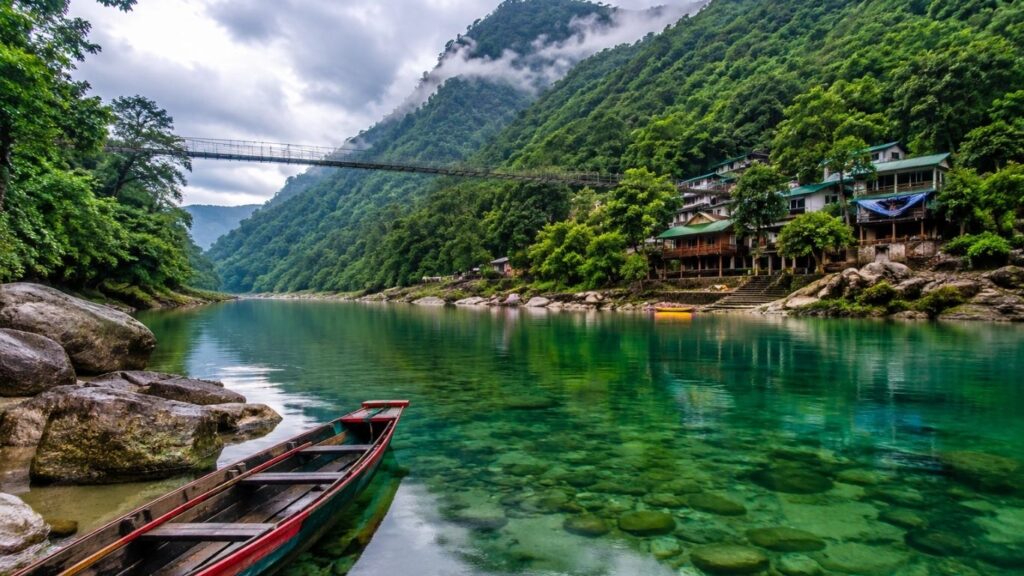
Located near Dawki, Shnongpdeng is famous for its riverside camping and scenic beauty. During periods of lighter rainfall, visitors can enjoy the tranquil environment and interact with local communities.
Mawkdok Dympep Valley
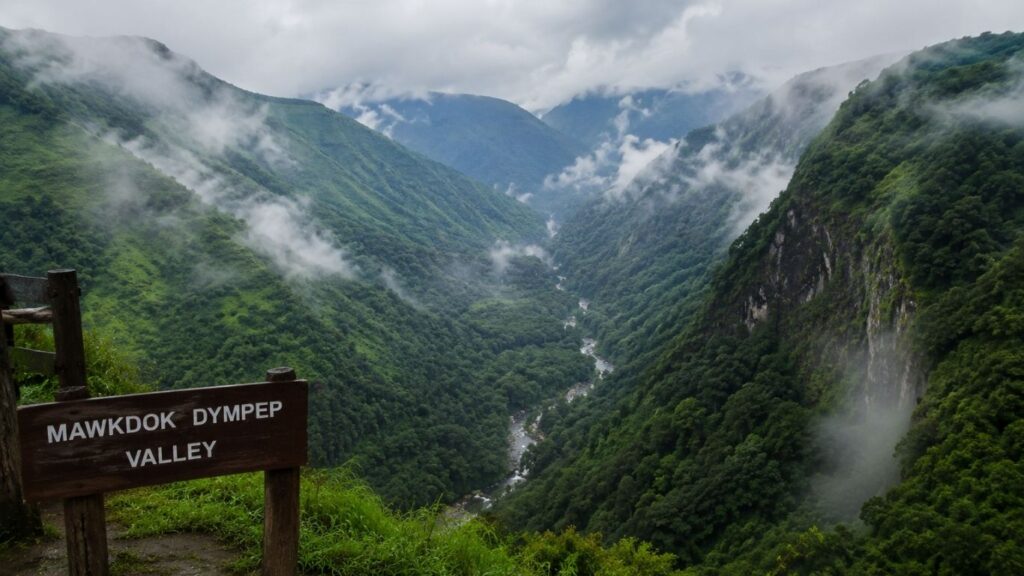
Situated between Shillong and Cherrapunji, this viewpoint offers breathtaking panoramic views of deep valleys wrapped in mist. It’s an ideal stop for photography and a relaxing break during a road trip.
Nongkhnum Island
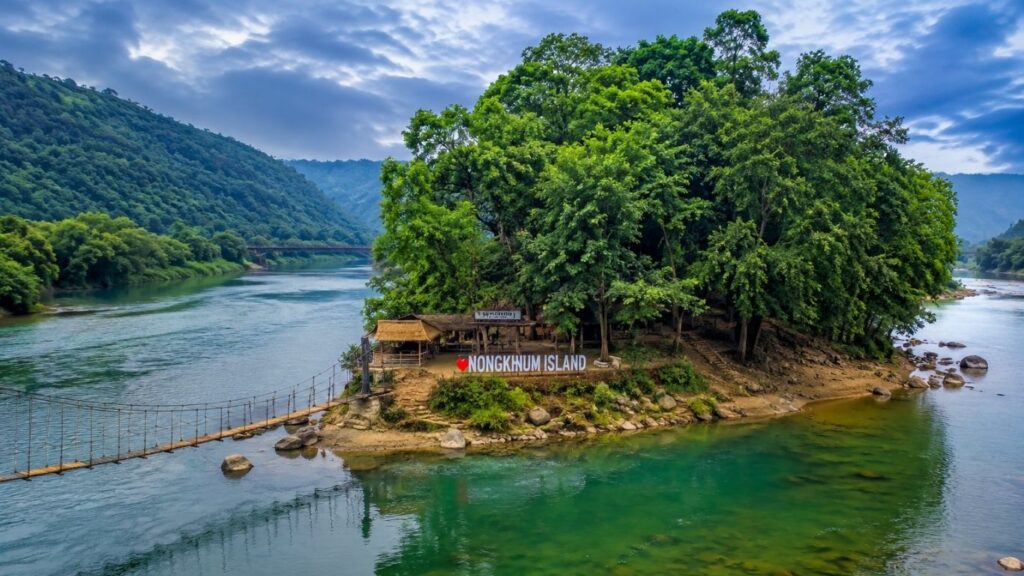
One of Asia’s largest river islands, Nongkhnum is an offbeat destination featuring waterfalls, sandy riverbanks, and peaceful surroundings. It remains relatively uncrowded even during the tourist season.
Local Khasi Cuisine to Try
A visit to Meghalaya is incomplete without experiencing its authentic Khasi cuisine, which reflects the region’s rich cultural heritage and use of fresh, locally sourced ingredients. From hearty meat dishes to traditional rice preparations, every meal offers a unique taste of Meghalaya’s culinary traditions.
Must-Try Khasi Dishes
| Dish | Why You Should Try It |
|---|---|
| Jadoh | Meghalaya’s signature rice dish, cooked with meat, aromatic spices, and herbs. It’s one of the most loved comfort foods in the state. |
| Dohneiiong | Tender pork slow-cooked in a rich black sesame gravy, known for its distinctive smoky and nutty flavor. |
| Tungrymbai | A traditional fermented soybean delicacy prepared with local spices, offering a unique taste of Khasi cuisine. |
| Dohkhlieh | A refreshing pork salad made with onions, green chilies, and fresh herbs, perfect as a light appetizer. |
| Win | Soft steamed powdered rice, commonly served with meat curries during festivals and family gatherings. |
| Bamboo Shoot Curry | A flavorful local specialty prepared with fresh bamboo shoots, adding a unique aroma and earthy taste to the dish. |
Where to Stay During the Monsoon
Meghalaya offers accommodations to suit every travel style and budget. Whether you’re a backpacker, a family on vacation, or a couple looking for a luxury escape, you’ll find plenty of comfortable options across the state.
| Accommodation Type | Best For | Recommended Options & Features |
|---|---|---|
| Budget Stays | Solo travelers, backpackers, and budget-conscious visitors | Homestays in Cherrapunji, guesthouses in Shillong, family-run lodges in Mawlynnong, and budget hotels in Jowai. Many homestays also serve authentic Khasi meals and provide valuable local travel tips. |
| Mid-Range Hotels | Families, couples, and small groups | Comfortable hotels offering mountain views, complimentary breakfast, free Wi-Fi, parking facilities, and on-site restaurants for a relaxing stay. |
| Luxury Resorts | Honeymooners and travelers seeking a premium experience | Upscale resorts around Shillong and Cherrapunji featuring valley-facing rooms, private balconies, spa and wellness facilities, fine dining restaurants, and guided nature walks. |
Travel Tip: For the best monsoon experience, book accommodations with valley or waterfall views. Waking up to mist-covered hills and lush green landscapes is one of the highlights of visiting Meghalaya during the rainy season.
Photography Tips for the Monsoon
The Monsoon in Meghalaya offers endless opportunities for capturing breathtaking landscapes, mist-covered hills, and majestic waterfalls. With the right timing and equipment, you can return home with truly unforgettable photographs.
| Category | Recommendations |
|---|---|
| Best Time for Photography | Early Morning: Soft golden light, misty valleys, and fewer crowds.After Rainfall: Vibrant greenery, fuller waterfalls, and rich natural colors.Late Afternoon: Dramatic cloud formations and diffused lighting for landscape photography. |
| Camera Essentials | Waterproof camera cover, microfiber lens cloth, extra batteries, memory cards, waterproof backpack, portable tripod, and a rain cover for your camera lens. |
| Best Photography Locations | Nohkalikai Falls, Seven Sisters Falls, Laitlum Canyon, Dawki Viewpoints, Mawphlang Sacred Forest, Living Root Bridges, and Shillong Peak. |
Pro Tip: Carry a microfiber cloth to wipe moisture from your camera lens frequently, and use a tripod for stunning long-exposure shots of waterfalls. Visiting popular viewpoints early in the morning also helps you avoid crowds while capturing the magical mist that makes Meghalaya famous.
Suggested 5-Day Monsoon Itinerary
Planning your trip can be overwhelming, so here’s a well-balanced 5-day itinerary that covers Meghalaya’s top attractions while allowing flexibility for changing monsoon weather.
| Day | Destination | Recommended Activities |
|---|---|---|
| Day 1 | Arrival in Shillong | Visit Ward’s Lake, Elephant Falls, Shillong Peak, explore Police Bazaar, and end the day at one of Shillong’s cozy cafés. |
| Day 2 | Cherrapunji (Sohra) | Explore Nohkalikai Falls, Seven Sisters Falls, Mawsmai Cave, Wei Sawdong Falls, and enjoy panoramic views from Eco Park. |
| Day 3 | Nongriat Trek | Trek to the Double Decker Living Root Bridge, cross suspension bridges, visit Rainbow Falls (weather permitting), and return to Cherrapunji. |
| Day 4 | Mawlynnong & Dawki | Discover Mawlynnong (Asia’s Cleanest Village), the Bamboo Sky Walk, Living Root Bridge, scenic Dawki viewpoints, and the riverside village of Shnongpdeng. |
| Day 5 | Mawphlang & Departure | Take a guided walk through the Mawphlang Sacred Forest, enjoy the breathtaking views at Laitlum Canyon, shop for local handicrafts, and savor a traditional Khasi lunch before departure. |
Travel Tip: Start your sightseeing early each morning to enjoy clearer views, lighter traffic, and better photography conditions. During the monsoon, keep your itinerary flexible, as heavy rainfall may occasionally affect travel times or access to certain attractions.
How to Reach Meghalaya During the Monsoon
Despite its hilly terrain, Meghalaya is well connected to the rest of India. With a little planning, traveling during the rainy season is smooth and rewarding.
By Air
The nearest major airport is Lokpriya Gopinath Bordoloi International Airport (Guwahati) in Assam, located about 125 km from Shillong. It offers regular flights from major Indian cities such as Delhi, Mumbai, Bengaluru, Kolkata, Hyderabad, and Chennai.
Shillong also has Shillong Airport (Umroi Airport), but flight options are limited and may be affected by weather conditions during the monsoon.
From Guwahati Airport, you can reach Shillong by:
- Shared taxi
- Private cab
- State transport bus
- Self-drive rental car
The journey usually takes 3–4 hours, depending on traffic and weather.
By Train
Meghalaya does not have an extensive railway network. The nearest major railway station is Guwahati Railway Station, which is well connected to major Indian cities.
After arriving in Guwahati, continue to Shillong by road.
By Road
Road travel is one of the best ways to explore Meghalaya. National highways connect Shillong with Guwahati, Cherrapunji, Dawki, Jowai, and other popular destinations.
The scenic mountain roads offer breathtaking views, especially during the Monsoon in Meghalaya, when waterfalls appear along the hillsides and clouds drift across the valleys.
Packing Checklist for Meghalaya’s Monsoon
Packing the right essentials will help you stay comfortable and prepared while exploring Meghalaya’s rain-soaked landscapes. Use this checklist before you begin your journey.
| Category | Essential Items |
|---|---|
| Clothing | Lightweight quick-dry T-shirts, waterproof jacket or raincoat, quick-dry trousers, extra socks, a light sweater for cool evenings, and comfortable sleepwear. |
| Footwear | Waterproof trekking shoes with good grip, sturdy sandals, and flip-flops for hotel use. Avoid smooth-soled shoes, as trekking trails and pathways can become slippery during the monsoon. |
| Travel Essentials | Compact umbrella, waterproof backpack cover, dry bags for electronics, reusable water bottle, sunglasses, power bank, torch or headlamp, small first-aid kit, and personal medications. |
| Photography Gear | Waterproof camera bag, microfiber lens cleaning cloth, extra memory cards, spare batteries, portable tripod, and a rain cover for your camera lens. |
Pro Tip: Keep your phone, passport, wallet, and other valuables in waterproof zip-lock bags or dry pouches. Sudden rain showers are common in Meghalaya, so protecting your essentials will ensure a hassle-free trip.
Safety Tips During the Monsoon
The Monsoon in Meghalaya is generally safe for travelers, but taking a few precautions can ensure a smooth and enjoyable trip.
- Check the Weather: Stay updated on weather forecasts before visiting waterfalls, trekking trails, or remote villages, as heavy rainfall may temporarily restrict access.
- Follow Safety Guidelines: Respect warning signs and safety barriers, especially near cliffs, waterfalls, and fast-flowing rivers.
- Trek Smart: Wear sturdy shoes with good grip, carry drinking water, start your trek early, and consider hiring a local guide for unfamiliar routes.
- Be Cautious Around Rivers: Avoid swimming or boating during heavy rainfall unless local authorities confirm it is safe.
- Protect Your Valuables: Keep your phone, camera, documents, and other electronics in waterproof pouches or dry bags to prevent rain damage.
Safety Tip: Weather in Meghalaya can change quickly during the monsoon. Keep your itinerary flexible and always follow local advisories for a safe and memorable journey.
Estimated Travel Budget
One of the biggest advantages of visiting during the Monsoon in Meghalaya is that travel costs are often lower than during the peak tourist season. Whether you’re traveling on a budget or planning a luxury getaway, Meghalaya offers options for every type of traveler.
Estimated Daily Budget (Per Person)
| Travel Style | Estimated Cost (Per Day) |
|---|---|
| Backpacker | ₹1,800 – ₹3,000 |
| Mid-Range Traveler | ₹4,000 – ₹7,000 |
| Luxury Traveler | ₹8,000 – ₹15,000+ |
Typical Travel Expenses
| Expense | Estimated Cost |
|---|---|
| Budget Hotel | ₹1,000 – ₹2,000 per night |
| Mid-Range Hotel | ₹3,000 – ₹6,000 per night |
| Luxury Resort | ₹8,000+ per night |
| Local Meals | ₹200 – ₹500 per meal |
| Private Taxi (Full Day) | ₹3,000 – ₹5,500 |
| Shared Taxi | ₹300 – ₹800 |
| Attraction Entry Fees | ₹20 – ₹200 (varies by attraction) |
Money-Saving Tip: Book your hotels and transportation in advance, especially if you’re traveling on weekends or during holiday periods. Staying in local homestays and using shared taxis can further reduce costs while giving you a more authentic experience of Meghalaya.
Expert Travel Tips for the Best Experience
Make the most of your trip with these practical recommendations:
- Plan flexible itineraries, as rain may occasionally delay travel.
- Begin sightseeing early in the morning for better visibility.
- Spend at least five to seven days exploring Meghalaya rather than rushing between attractions.
- Keep cash on hand for smaller villages where digital payments may not always be accepted.
- Hire certified local guides for trekking and cave exploration.
- Try traditional Khasi cuisine at family-run eateries for an authentic culinary experience.
- Allow extra travel time between destinations during periods of heavy rainfall.
- Keep a reusable rain poncho in your daypack—you’ll likely use it more than once.
- Slow down and enjoy the changing weather; some of Meghalaya’s most memorable moments happen when clouds suddenly part to reveal dramatic landscapes.
With thoughtful planning and respect for nature and local communities, a monsoon journey through Meghalaya can become one of the most rewarding travel experiences in India.
FAQ
Is the monsoon a good time to visit Meghalaya?
Yes. The Monsoon in Meghalaya is one of the best times to experience the state’s breathtaking natural beauty. Waterfalls are at their most powerful, forests are lush and vibrant, and the cool weather makes sightseeing enjoyable. Travelers should simply plan for occasional heavy rainfall and stay updated on weather conditions.
Which month receives the highest rainfall in Meghalaya?
July is generally the wettest month, followed by August. Destinations like Cherrapunji (Sohra) and Mawsynram receive some of the highest annual rainfall in the world, making them spectacular during the peak monsoon season.
Is it safe to drive in Meghalaya during the rainy season?
Yes, major highways and popular tourist routes are usually in good condition. However, heavy rain can occasionally cause fog, minor landslides, or temporary road closures. Drive carefully, avoid traveling late at night, and check local road updates before long journeys.
Are the Living Root Bridges open during the monsoon?
In most cases, yes. The Living Root Bridges remain open throughout the rainy season. Trekking trails can become slippery, so visitors should wear sturdy footwear, carry rain protection, and allow extra time for the hike.
Can I visit Dawki during the monsoon?
Absolutely. While the famous crystal-clear appearance of the Umngot River is most visible during winter, Dawki is still worth visiting during the monsoon for its lush landscapes, dramatic river views, and peaceful atmosphere. Boating availability depends on water levels and weather conditions.
Which waterfalls are a must-visit during the monsoon?
Some of the most impressive waterfalls include:
Nohkalikai Falls
Seven Sisters Falls
Wei Sawdong Falls
Dainthlen Falls
Elephant Falls
Krang Suri Falls
Langshiang Falls
Bishop Falls
These waterfalls are at their most spectacular after periods of sustained rainfall.
How many days are enough to explore Meghalaya?
A 5 to 7-day itinerary is ideal for first-time visitors. This allows enough time to explore Shillong, Cherrapunji, Nongriat, Mawlynnong, Dawki, Mawphlang, and a few lesser-known destinations without feeling rushed.
What should I pack for Meghalaya during the monsoon?
Essentials include:
Waterproof jacket or poncho
Waterproof trekking shoes
Quick-dry clothing
Umbrella
Backpack rain cover
Power bank
First-aid kit
Waterproof pouch for electronics
Extra socks and a light sweater
Packing smartly will make traveling much more comfortable during frequent rain showers.
Is Meghalaya suitable for family trips during the monsoon?
Yes. Families can enjoy scenic drives, waterfalls, caves, nature walks, cultural experiences, and comfortable stays in Shillong and Cherrapunji. Choose accommodations with good road access and keep itineraries flexible in case of heavy rain.
What local foods should I try?
Don’t miss these traditional Khasi dishes:
Jadoh
Dohneiiong
Dohkhlieh
Tungrymbai
Pumaloi
Bamboo Shoot Curry
Shillong also has a vibrant café culture, making it easy to enjoy both local cuisine and international favorites.
Conclusion
The Monsoon in Meghalaya is more than just a season—it’s the time when the state reveals its true character. Rain breathes life into every valley, fills majestic waterfalls, refreshes ancient forests, and blankets the hills in mist, creating landscapes that feel almost otherworldly.
From trekking to the famous Living Root Bridges and exploring limestone caves to enjoying scenic road trips and tasting authentic Khasi cuisine, Meghalaya offers a perfect blend of adventure, culture, and natural beauty. Whether you’re a solo traveler, a couple, a family, or a photographer searching for dramatic landscapes, the rainy season promises experiences that remain unforgettable long after your journey ends.
Plan carefully, respect local communities and the environment, and embrace the ever-changing weather. If you’re looking for a destination that feels wild, refreshing, and genuinely unique, Meghalaya during the monsoon deserves a place at the top of your travel bucket list.